Spots, Scale or a Bad Taste? Water Softeners and Filters in Harleysville
White crust on faucets, spots on glasses, soap that will not lather and a taste you would rather not drink are the signs that bring most people to a water treatment call. The fix depends on what is in your water, which is why testing comes before buying equipment.
- Licensed and insured plumbers
- Same-day service when available
- 24/7 emergency dispatch
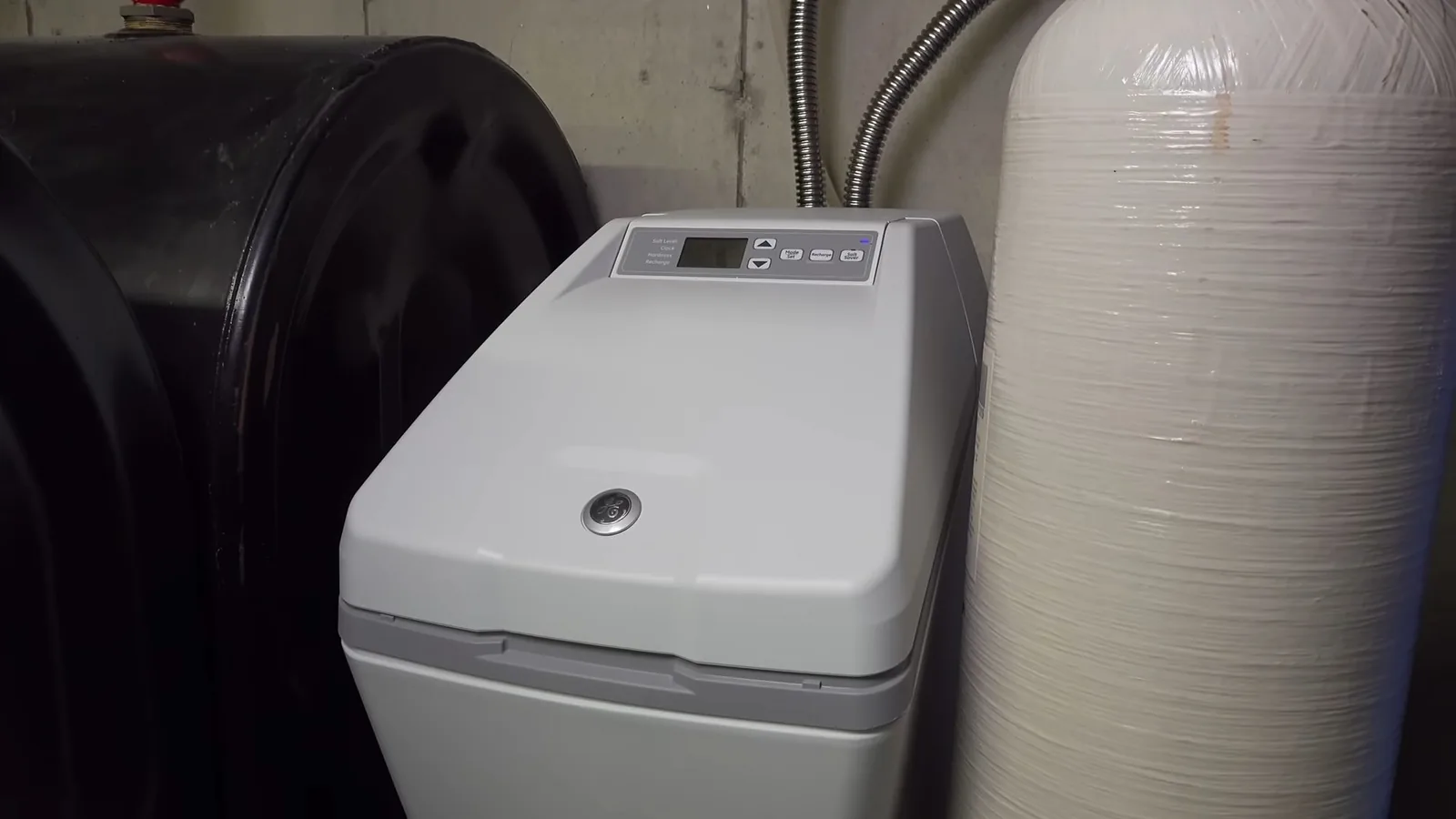
Signs your water needs treatment
- White or chalky crust on faucets, showerheads and kettles.
- Spots and film on dishes and glass after the dishwasher runs.
- Dry skin, dull laundry and soap that does not lather.
- A metallic, earthy or chlorine taste or smell.
- Orange or brown stains in sinks and tubs.
- A water heater that rumbles from scale on its tank.
Each sign points to something different. Scale and spots come from dissolved minerals that make water hard. Metallic stains usually mean iron. A chlorine smell comes from the disinfectant added by the supplier. A rotten-egg smell is a separate problem that calls for its own test.
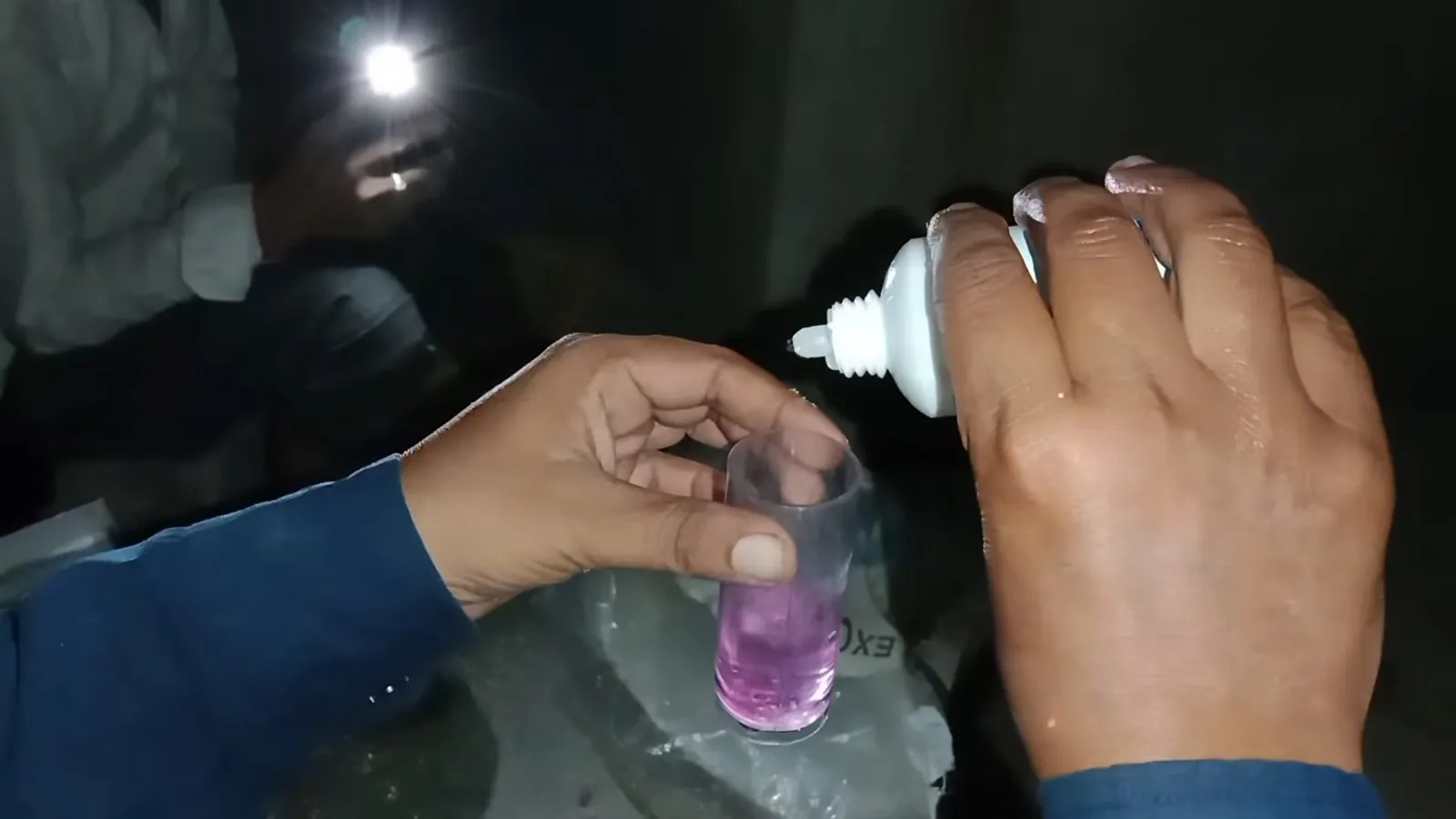
Test your water before choosing equipment
A softener removes hardness. It does not remove chlorine, iron in large amounts or contaminants, and a filter does not soften. Guessing wastes money on the wrong equipment. A water test tells you the hardness, the iron and any other concern, and the right equipment follows from the results.
Your water supplier may publish a water quality report that lists hardness and other measurements. Part of the service area, including Lansdale, Souderton and some of Skippack Township, is supplied by North Penn Water Authority, and other addresses rely on different providers, so ask yours. A sample from your own tap shows what is happening at the fixture.
Not sure what your water needs?
Call and describe what you see. A plumber can arrange a test and recommend equipment.
Water softeners: installation and settings
A softener swaps the minerals that cause hardness for sodium or potassium as water passes through a resin bed. Periodically the resin is recharged with brine and rinsed. The valve is set for the hardness and the household's water use, so settings matter as much as the tank size.
| Item | What to consider | Why |
|---|---|---|
| Capacity | Match to household size and hardness | Too small and it recharges too often |
| Salt or potassium | Pick the regenerant that suits you | Both work; potassium is used where sodium is a concern |
| Drain and power | Needs a drain for regeneration and an outlet | The plumber plans the connection |
| Bypass valve | Lets you isolate the unit | Useful for service and for outdoor taps |
The softener is usually plumbed after the main shut-off and pressure regulator and before the water heater, so the whole house gets softened water. The plumber normally leaves an outdoor tap and a drinking-water tap unsoftened if you ask for it.
Softener repair and service
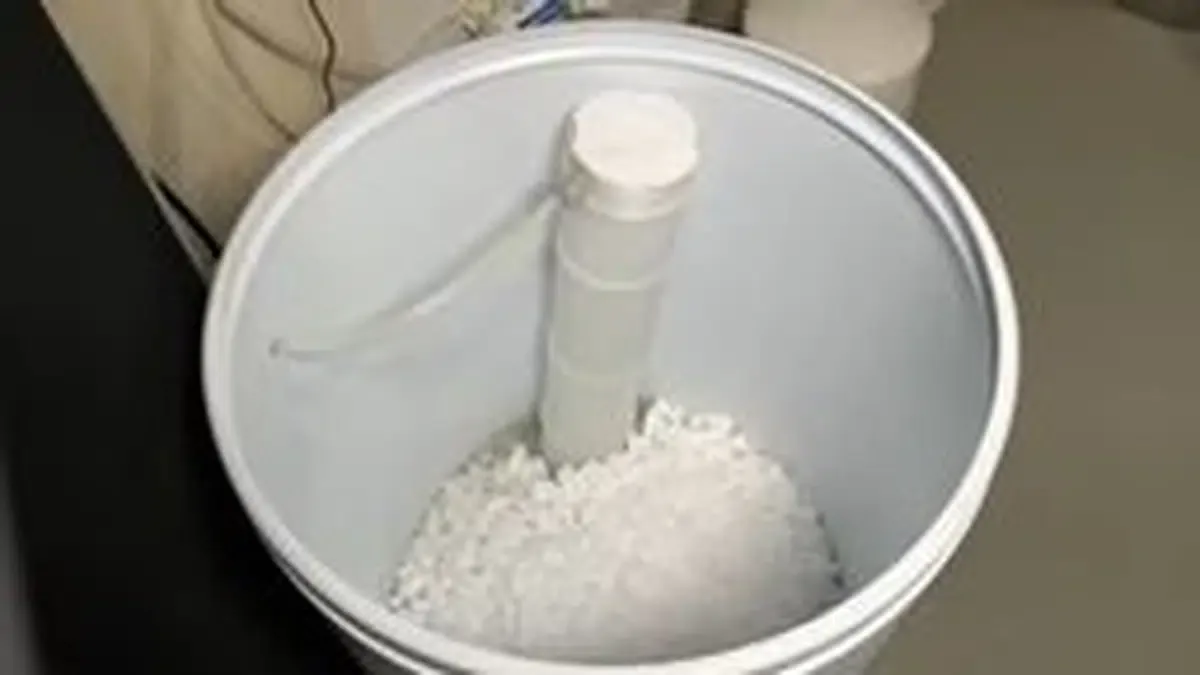
When a softener stops working, hard water returns. The usual causes are a brine tank that has formed a salt bridge, an injector clogged with debris, a worn valve or a resin bed past its life. Many faults are simple to fix once identified, and regular salt checks prevent most of them.
- Check that the salt level stays above the water line.
- Break up a hard crust of salt in the tank, which is called a bridge.
- Clean the injector and the brine line.
- Replace resin that has worn out after years of service.
- Check the drain line for kinks or blockage.
Reverse osmosis for drinking water
Reverse osmosis forces water through a very fine membrane that removes dissolved solids. A small system under the kitchen sink delivers drinking water from a separate faucet. Filters and the membrane are replaced on a schedule, and the system includes a drain connection, a storage tank and a dedicated tap.
It is a good fit for drinking and cooking water where taste is the main concern. It wastes some water in operation and delivers it slowly, which is why a small tank holds a supply for the tap.
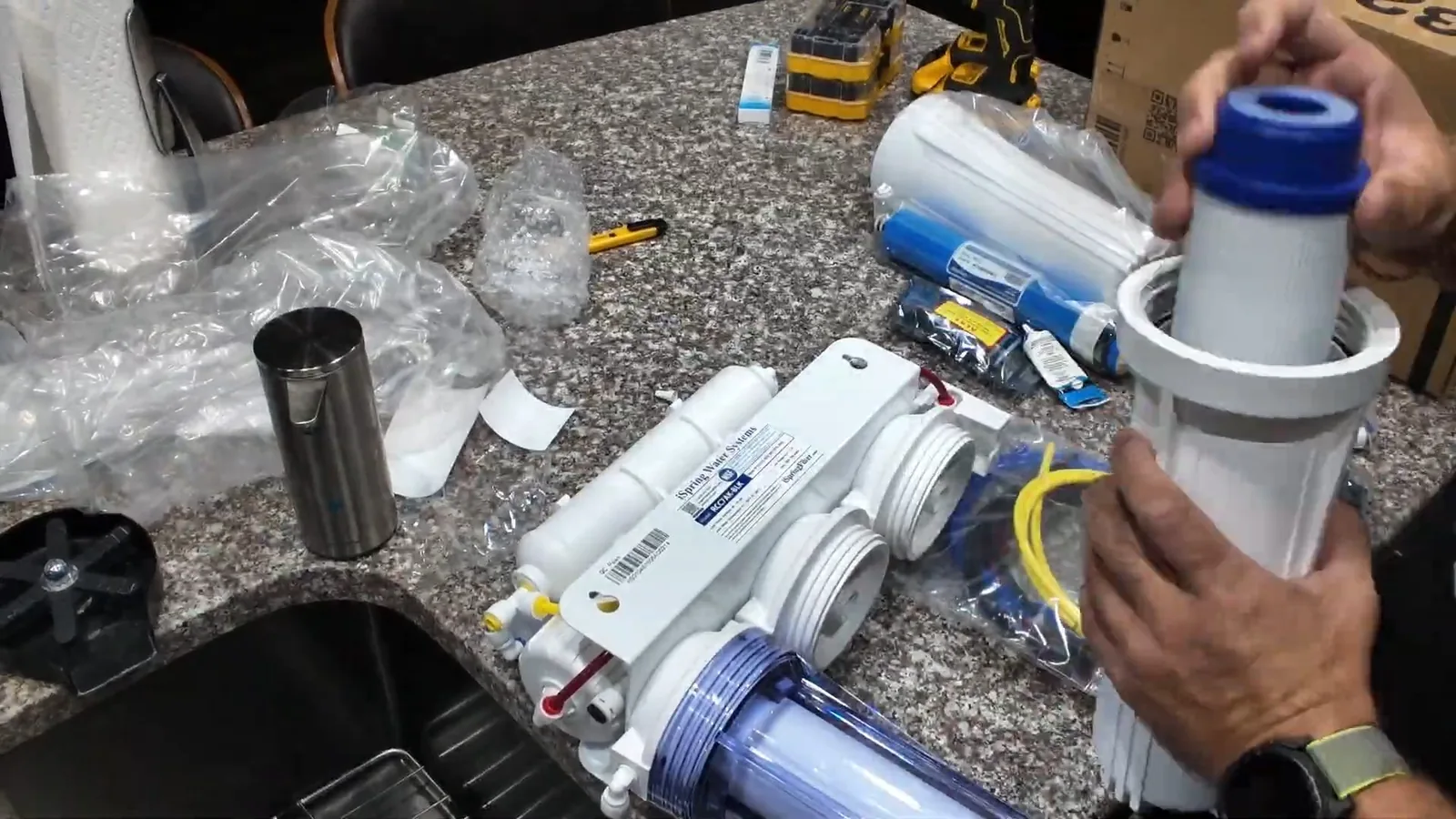
Under-sink and drinking water filters
A simple carbon filter under the sink improves taste and removes chlorine and some contaminants. Replacement cartridges are the key maintenance item. A filter that is left in place too long stops working and can harbor bacteria, so a schedule helps, with the date written on the housing.
Whole-house filtration
A whole-house filter treats all the water entering the building. A sediment filter catches grit and rust, a carbon filter reduces chlorine and taste issues and specialty media targets iron or other concerns. Pressure drop is the tradeoff, so the filter is sized for the flow your household needs.
Whole-house systems are installed on the main line after the shut-off, with bypass valves so cartridges can be changed. The plumber also checks the incoming pressure, since a clogged filter and a failing regulator can look alike. For a softener and filter together, the order of equipment matters.
Keeping treatment equipment working
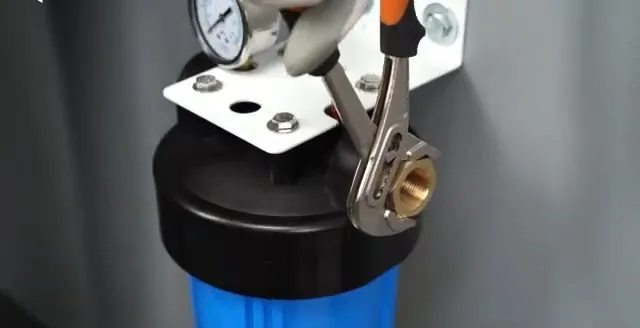
Treatment equipment is easy to forget because it works quietly. Cartridges clog, resin tires and salt runs low without any alarm. A simple calendar reminder for each task, from the filter change to the salt check, keeps water quality steady and protects the fixtures and appliances downstream.
A yearly visit from a plumber is a sensible habit. The visit covers the valve settings, the bypass, the drain connection and the pressure drop across each filter, and a fresh water test shows whether the equipment is still doing its job. Changes in the household, such as a new bathroom or a larger family, are also a reason to revisit the settings.
Related plumbing services
Scale builds up inside the water heater and shortens its life, which is covered on the water heater repair page. Treated water also affects the tankless heater, which needs regular descaling. A new treatment system is often installed alongside a fixture or water line project.
Ready to treat your water?
Call to set up a test and a visit with a plumber who installs treatment systems.
Water softener and filter questions
How do I know if I have hard water?
Look for crust on fixtures, spots on dishes and soap that lathers poorly. A water test or your supplier's water quality report gives the actual hardness figure.
Do I need both a softener and a filter?
Not necessarily. A softener handles hardness, a filter handles taste, sediment and chlorine, and reverse osmosis polishes drinking water. A test shows which of those you need.
How often does a water softener need salt?
It depends on the hardness and the household's water use. Check the tank every month or so and keep the salt above the water level.
Is softened water safe to drink?
Softened water is generally fine to drink, but some people prefer to keep a tap unsoftened or add a reverse osmosis tap for drinking. A plumber can set up either arrangement.
Want better-tasting, softer water?
Describe what you notice in the water and dispatch will plan a visit.
- Licensed and insured plumbers
- Same-day service when available
- 24/7 emergency dispatch