Water Heater Not Working? Repair for Harleysville Homes
Water heater repair covers the tank, the burner or elements, the controls and the valves that make hot water for a house. It is for anyone whose water has gone lukewarm, whose tank is making noise or dripping, or whose pilot will not stay lit, and the first job is working out which part has failed.
- Licensed and insured plumbers
- Same-day service when available
- 24/7 emergency dispatch
Gas and electric water heaters fail in different ways
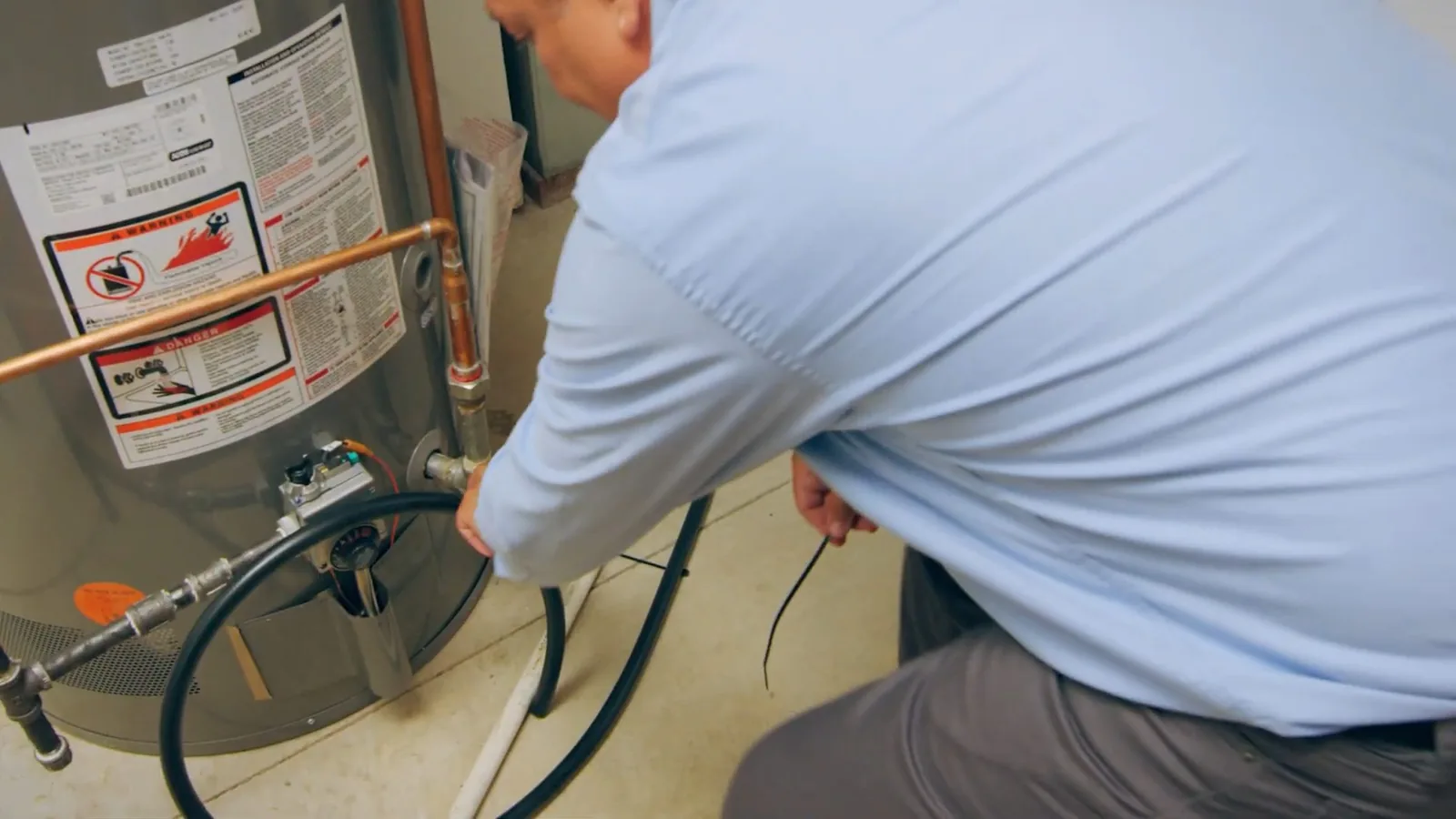
A gas heater heats water with a burner beneath the tank, lit by a pilot or an electronic igniter, and vents combustion gases outdoors. An electric heater uses one or two heating elements in the tank, each switched by a thermostat. Knowing which you have narrows the possible faults quickly.
| Type | Common cause | Typical sign |
|---|---|---|
| Gas | Pilot out, dirty burner, worn thermocouple or igniter | No hot water at all, or a pilot that keeps going out |
| Gas | Sediment on the tank bottom | Rumbling or popping noises while heating |
| Electric | Failed upper or lower element | Lukewarm water, or hot water that runs out quickly |
| Electric | Tripped breaker or bad thermostat | No heat, or water far too hot |
| Either | Failed pressure relief or drain valve | Dripping near the valve or the tank base |
Many gas faults are small. A cleaned burner, a new thermocouple or a replaced igniter brings the heater back. An electric heater that goes from hot to lukewarm often just needs a new element. These are the repairs worth making on a tank that is otherwise healthy.
No hot water or not enough: where to look first
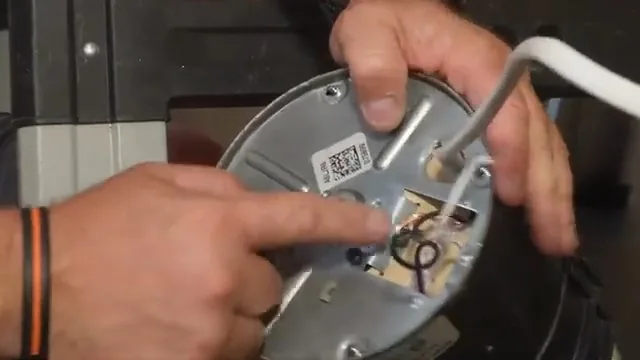
Start with the simple checks before calling. On an electric unit, look at the breaker. On a gas unit, look at whether the pilot is lit and the gas valve is open. If the pilot lights and goes out when you release it, the thermocouple is likely failing and the fix is a small part.
If the water is hot but runs out quickly, the cause may be a failed element, a broken dip tube that sends cold water to the top of the tank, or sediment taking up space. If it is lukewarm, the thermostat or one element is the likely culprit. Describing the exact symptom to dispatch helps the visit begin with the right parts.
Pilot out or no hot water this morning?
Call and describe it. Dispatch will tell you what the visit involves.
A leaking tank: what you can fix and what means replacement
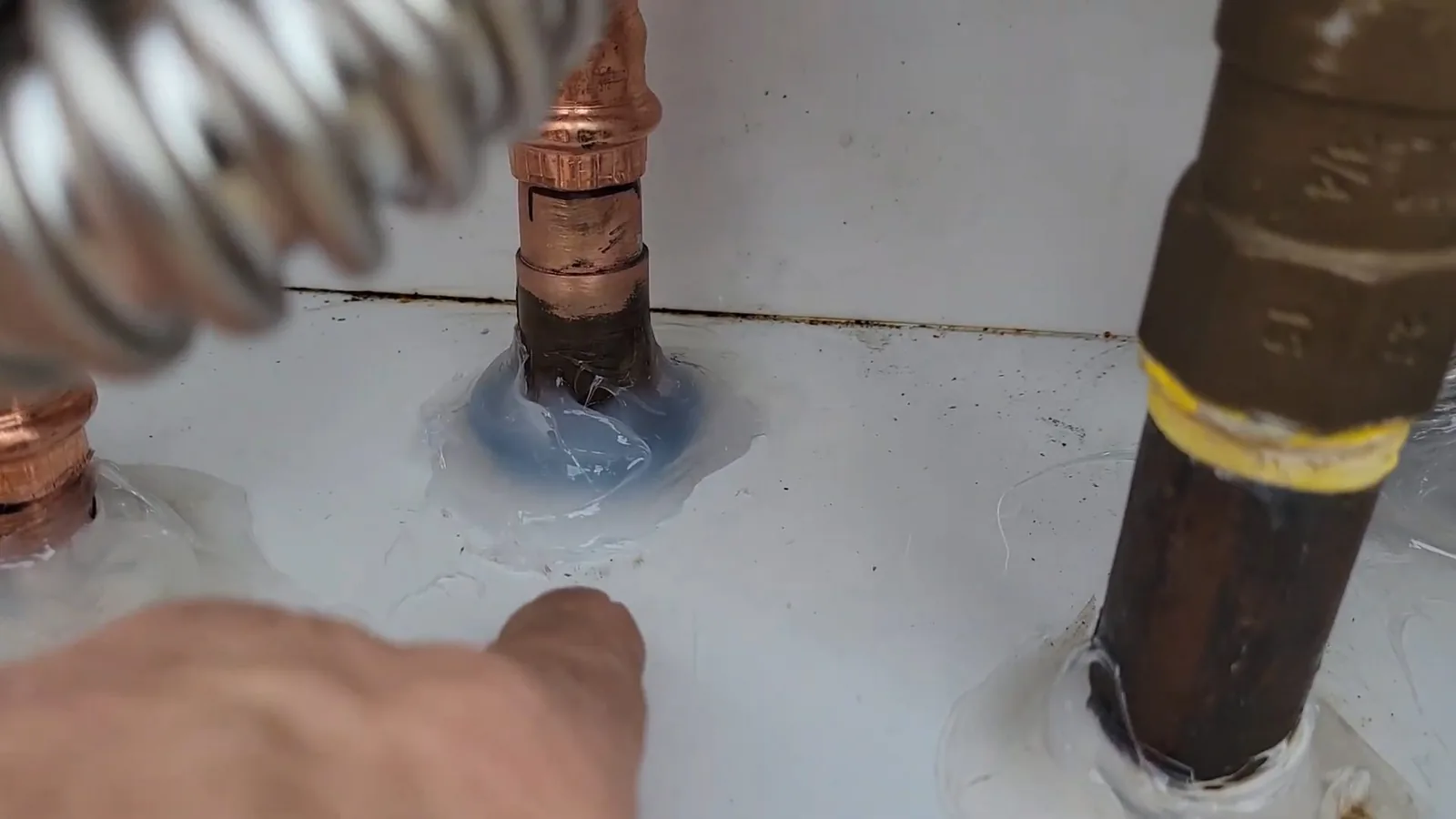
Not every drip is the end of a heater. Water at the pressure relief valve, the drain valve, the inlet fittings or the pipe connections on top is usually a repairable fault. Water seeping from the body of the tank, or pooling at the base with the fittings dry, means the inner tank has corroded through, and that cannot be repaired.
Leaks around the unit are common, and the source is not always the tank. Water at the base can come from the relief valve, the drain valve, the inlet connections, a failed expansion tank or a leaking line above. Work out which before deciding on repair or replacement. Water heater repair and install are different visits, but a plumber who can do both can say honestly which one the tank needs.
- Switch off the electric breaker, or set a gas unit's control to pilot, then shut the cold-water inlet on top of the tank.
- Wipe the tank and fittings dry and watch where the first bead of water appears.
- Water from a fitting or valve usually means a repair; water from the tank body means replacement.
- Put a pan or towels under the unit and keep stored items away from it.
If the tank has to be replaced, the water heater installation and replacement page covers sizing and code points, and the tankless water heater page covers on-demand options. A tank that has failed and flooded a utility room may also need water damage restoration.
Flushing and maintenance that extend a tank's life
Sediment settles at the bottom of any tank. On a gas heater it insulates the water from the burner, so the burner runs longer and the tank overheats and wears. On an electric heater it buries the lower element and shortens its life. Flushing the tank clears it, and an annual flush is a common habit. Water quality varies by provider and by house, so a plumber can suggest an interval based on what comes out.
The anode rod is the other part worth knowing. It corrodes in place of the tank, and replacing it before it is used up can add years. The pressure relief valve should be tested occasionally, because a stuck valve cannot protect the tank. A maintenance visit gives a plumber a chance to look at the venting, the connections and the age of the unit.
Pilot lights, igniters, elements, thermostats and noises
Small parts cause most service calls. A pilot or igniter that will not light, a thermocouple that cools too soon, a thermostat that reads wrong and an element that has burned out all have simple fixes. Popping and rumbling mean sediment. A high-pitched whine can come from a partly closed valve or scale on an element. A burning smell, scorch marks or a flame that rolls out of the burner should be treated as urgent, and the gas supply shut off.
Boiler service for hydronic heat
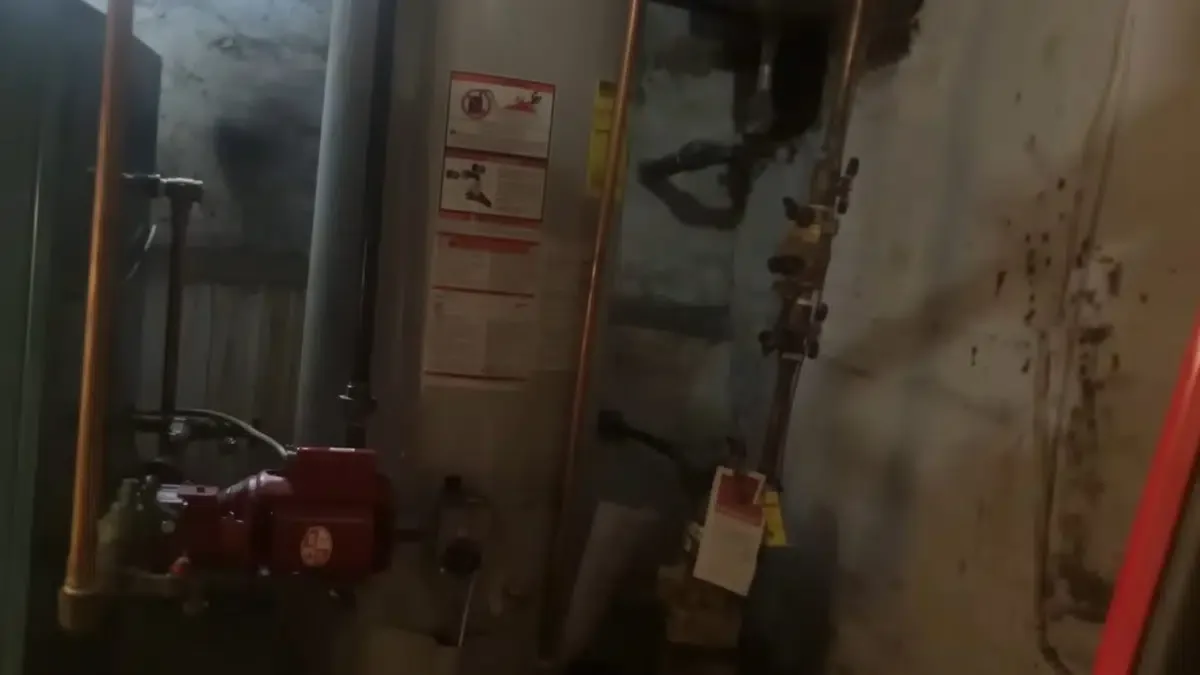
Some homes heat with a boiler instead of a furnace, circulating hot water through radiators or baseboard pipes. The same dispatch line handles boiler repair, including pilot or ignition faults, a pump that does not circulate, a pressure that drifts up or down and a leak at a fitting. Boiler failure in a cold snap is urgent, because a house with no heat risks frozen pipes.
An annual check is the usual habit with a boiler. It covers the burner, the pressure, the expansion tank and the controls, and catches small faults before the first cold night.
Repair or replace, and who to call
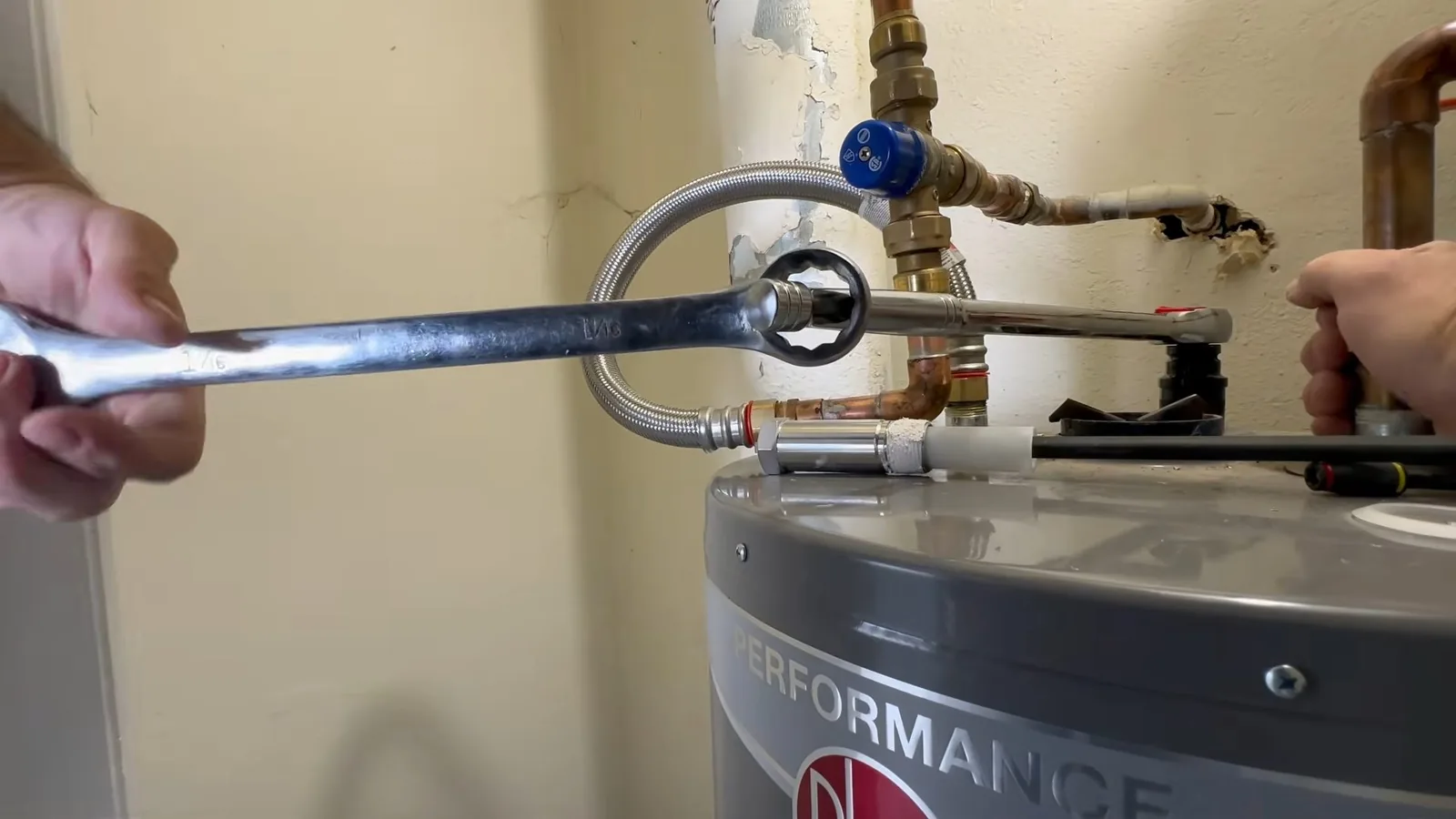
Age and repair history decide it. A tank in its first decade with a failed part is usually worth repairing. A tank that is leaking from the body, has failed more than once recently or is far past its expected life is usually not. A plumber should explain the numbers and let you decide.
Permit rules for water heater work differ by municipality, and no single rule covers the whole service area, so check with the borough or township or ask the plumber what applies. For urgent leaks at any hour, the 24/7 emergency line covers nights and weekends, and same-day visits are available only when scheduling allows.
Want a plumber to look at the heater?
Describe the noise, the leak or the lukewarm water, and dispatch will plan the visit.
Water heater repair questions
Can a water heater be repaired, or does it always need replacing?
Most failures are fixable. A thermocouple, igniter, element, thermostat or valve can be replaced. Water seeping from the tank body cannot be fixed. Check the age and the source of the leak first, and let a plumber confirm.
What should I do about a tank that needs a flush and service?
Picture a heater that has rumbled for months: the sediment is thick and the tank works harder every cycle. Flushing clears it, and the plumber checks the anode rod and the relief valve in the same visit. Do it before the noise turns into a leak.
Who should I call to fix a water heater?
A licensed plumber who services your type of heater. Say gas or electric, give the symptom and tell dispatch what you have already checked. Safety first: if there is a gas smell, call 911, and what can wait is a lukewarm tank.
How long can a leaking water heater keep running?
Watch the leak for what it is. A drip at a fitting can wait a day with the water shut off. A leak from the tank body gets worse and should be shut off right away, because the tank can fail all at once.
Cold showers or a dripping tank? Call to book a repair visit
Describe what the heater is doing and a plumber serving your area can plan the visit.
- Licensed and insured plumbers
- Same-day service when available
- 24/7 emergency dispatch