
Disposal Humming but Not Turning? Repair and Replacement in Harleysville
When you call about a disposal that hums but will not spin, dispatch will ask whether it hums, clicks or does nothing, and whether water is dripping underneath. That one answer separates a jam you can often clear in minutes from a failed motor or a leak.
- Licensed and insured plumbers
- Same-day service when available
- 24/7 emergency dispatch
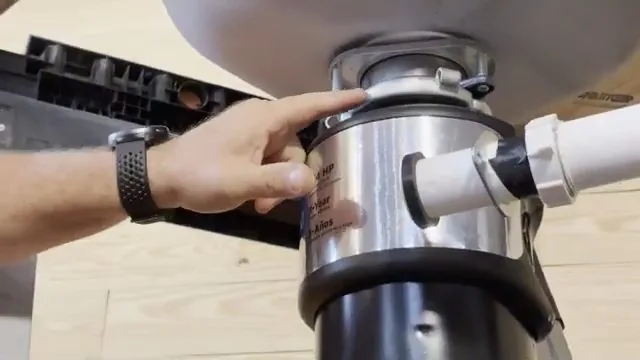
Humming, jammed or stuck: what is going on
A disposal that hums but does not turn has a jammed impeller. Something hard, such as a bone, a fruit pit or a piece of silverware, has wedged between the shredder ring and the plate. A disposal that does nothing at all may have tripped its reset button or lost power. A disposal that clicks usually has a seized motor.
- Switch the disposal off at the wall and unplug it or turn off the breaker before reaching in.
- Never put a hand into the disposal, even when it is off.
- Use a hex key in the bottom socket, if the model has one, to work the plate back and forth.
- Press the red reset button on the underside once the jam is cleared.
- Run cold water and test with the switch.
If the unit still hums after the jam is cleared, or trips again right away, the motor or the wiring has a fault and a plumber should take over.
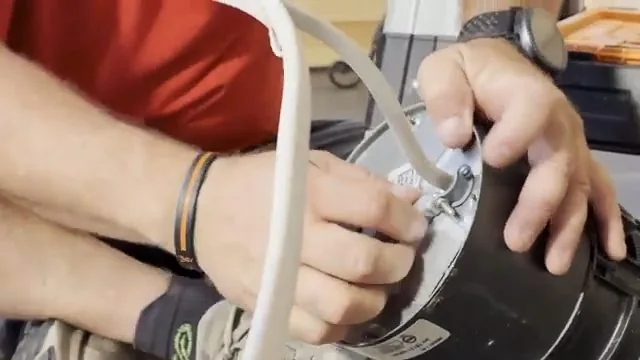
A disposal that leaks
Leaks come from only a few places, and the location tells you the cause. Water at the top, where the sink flange meets the unit, means the sink seal or mounting has failed. Water from the side near the dishwasher inlet or the drain pipe points to a loose connection or a worn gasket. Water from the bottom or the body means the housing has cracked, and the unit must be replaced.
Pour water in the sink with a dry paper towel around the connections to find the source. A leak from the body is not repairable. The other leaks can often be fixed by tightening or replacing a gasket, a clamp or the plumber's putty under the sink flange.
Water under the sink right now?
Shut off the supply under the sink and call. A plumber can plan a repair or a replacement.
Dishwasher connection and drain problems
The dishwasher drains through the disposal in many kitchens. If dirty water backs up into the dishwasher or pools at the bottom after a cycle, the dishwasher inlet on the disposal may be blocked by a knockout plug that was never removed in a new install, or by food packed in the port.
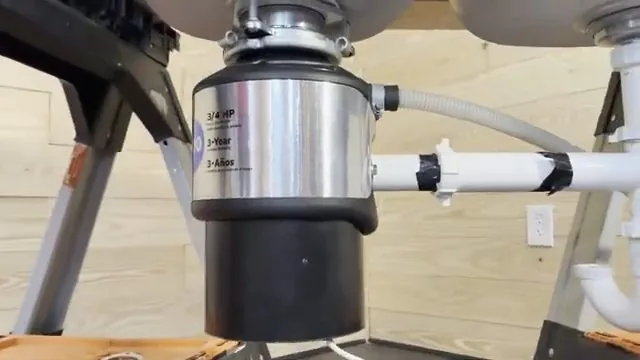
A high loop or an air gap in the dishwasher line prevents drain water from flowing back. A plumber can check the hose routing, clear the port and test a full cycle. When the sink also drains slowly, the issue may be in the trap or the branch line rather than the disposal.
A clogged or backed-up sink with a disposal
A disposal grinds food, but it does not make everything safe to send down the drain. Grease cools and coats the pipe. Coffee grounds, eggshells and starchy foods such as rice and pasta settle in the trap and the branch line. Over months the pipe narrows, and a sink drains slowly even though the disposal runs fine.
- Run cold water for several seconds before and after grinding.
- Feed food in small amounts instead of packing the chamber.
- Keep grease, fibrous stalks and large bones out of the unit.
- Avoid chemical drain openers, which can damage pipes and make later work hazardous.
When the blockage lies beyond the trap, the drain cleaning page explains how a plumber clears the branch line with a cable or a water jet. If other fixtures in the house slow down at the same moment, suspect the main drain rather than the disposal.
When to replace a disposal
| Condition | Usual answer | Reason |
|---|---|---|
| Jam cleared, runs normally | Keep using it | The unit is sound |
| Motor hums and trips repeatedly | Replace | The motor or windings have failed |
| Leak from the housing | Replace | A cracked shell cannot be sealed |
| Unit is many years old and noisy | Consider replacing | Worn bearings and a rusted shredder are close to failure |
| Leak at the flange or a gasket | Repair | The connection can be reseated or resealed |
Disposals come in different horsepower ratings and feed styles. A continuous-feed unit is the most common. A batch-feed model runs only when the stopper is in place. A plumber can match the mount, the power cord or hardwire connection and the dishwasher port to the model you choose.
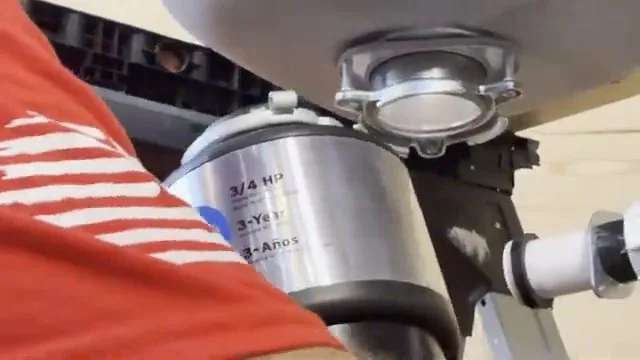
Installation and what the visit includes
- The plumber shuts off power and water and removes the old unit.
- The sink flange is cleaned and resealed, and the mounting ring is installed.
- The new unit is hung, the discharge pipe and dishwasher port are connected and the power is restored.
- The plumber runs water, checks every joint for drips and tests the unit with a short grind.
If the power source is missing, such as a switch with no outlet under the sink, an electrician may be needed to add one. The plumber can tell you before the visit whether that is likely.
Older kitchens, older pipes
In a kitchen with older drain pipe, a new disposal can expose weaknesses. Rusted steel or cast iron fittings and brittle plastic can fail when moved. The plumber looks at the trap, the waste arm and the wall connection and mentions anything that should be replaced during the same visit instead of after a leak.
If the sink's faucet or supply lines are also tired, the fixture repair page covers those, and doing it all at once saves a second trip.
Ready to replace the disposal?
Call and give the make if you know it. Dispatch will plan the visit.
Garbage disposal questions
Why is my garbage disposal humming but not spinning?
Something hard has jammed the impeller. With the power off, use a hex key in the bottom socket to loosen it, then press the reset button. If it hums again, the motor may have failed.
Is a leaking garbage disposal repairable?
It depends on where the leak is. A leak at the flange or a gasket can often be fixed. A leak from the housing means a cracked shell, and the unit should be replaced.
Can I put grease or coffee grounds down the disposal?
Neither is a good idea. Grease coats the pipe and grounds collect in the trap. Scrape both into the trash and use plenty of cold water for food scraps that do go down.
Why is my dishwasher backing up into the sink?
A blocked disposal inlet, a clogged branch line or a hose without a proper high loop can all cause it. A plumber can clear the port and check the hose routing.
Disposal jammed or leaking under the sink?
Turn it off, shut off the water to the sink if it is leaking, and call dispatch.
- Licensed and insured plumbers
- Same-day service when available
- 24/7 emergency dispatch