Flooded Floor or Wet Walls? Emergency Water Removal in Harleysville
When you call about water damage, dispatch asks what the water came from, how long it has been there and whether it is clean, gray or sewage. Those answers set the order of the work: stop the source, remove the water, dry the structure and test for mold.
- Licensed and insured plumbers
- Same-day service when available
- 24/7 emergency dispatch
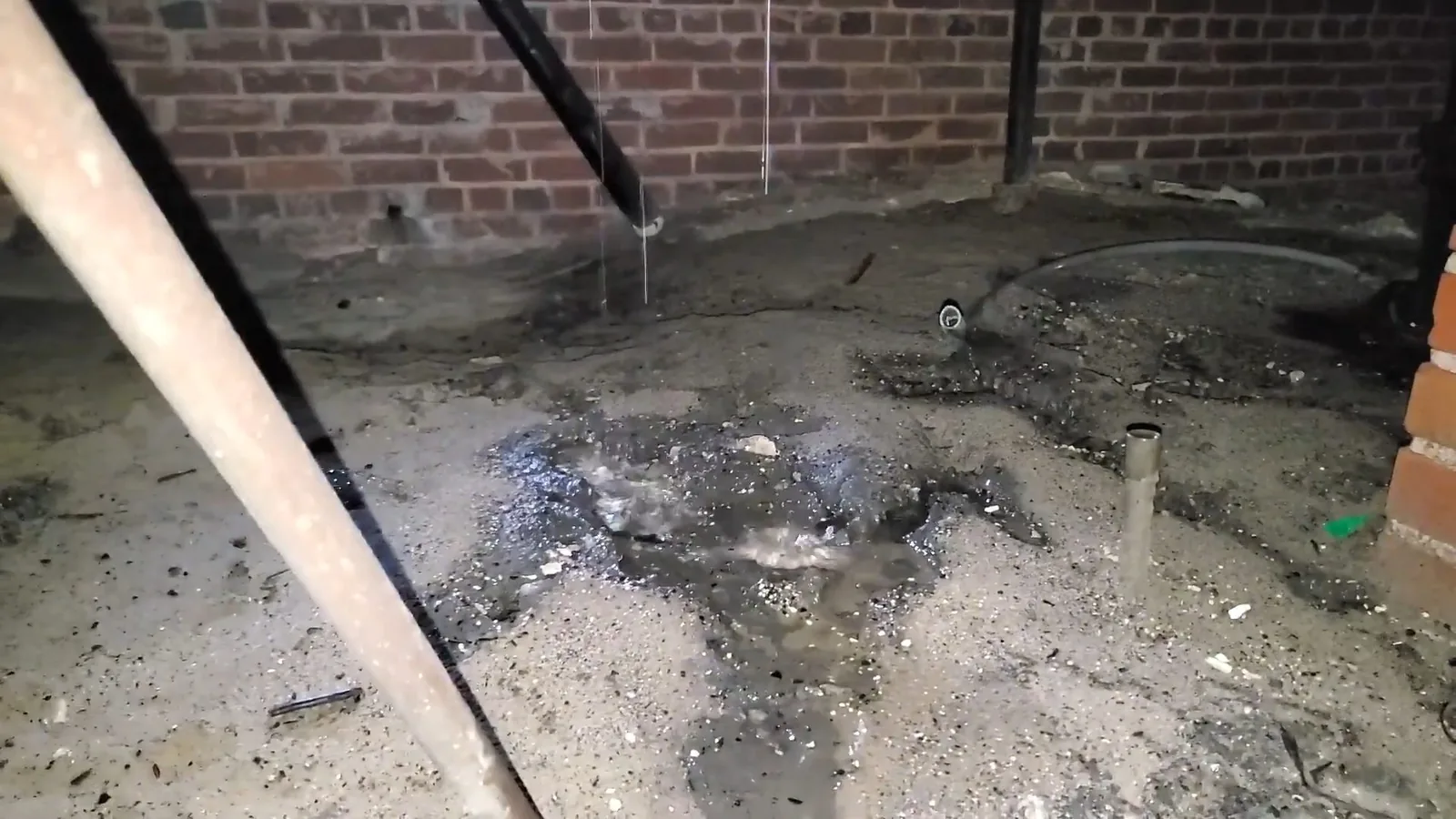
What happens on a job: the first hours after water damage
Water spreads fast and does more damage the longer it sits. Within hours it wicks into drywall, soaks into subfloors and swells wood. Within a day or two, damp materials can start to grow mold. Speed matters, and so does order: the source of the water has to be stopped before anything dries.
- Close the main valve when a pipe is the source, and cut power to wet areas only if reaching the panel is safe.
- Move valuables and furniture out of the water, and lift rugs and boxes off wet floors.
- Call dispatch and describe the source, the rooms involved and how long it has been wet.
- The plumber stops the leak, then water extraction and drying begin.
- Wet materials are assessed, removed where needed and the area is tested before anything is rebuilt.
Burst pipes and plumbing leaks that cause damage
Most residential water damage starts with plumbing: a burst supply pipe, a failed water heater, a leaking supply line to a toilet or dishwasher or a slow leak inside a wall. The plumber stops the ongoing water first, because drying a house that is still wet from a leak accomplishes nothing.
For the repair itself, see the burst pipe and repiping page. If the source is hidden, the leak detection page explains how plumbers find water without tearing out walls at random.
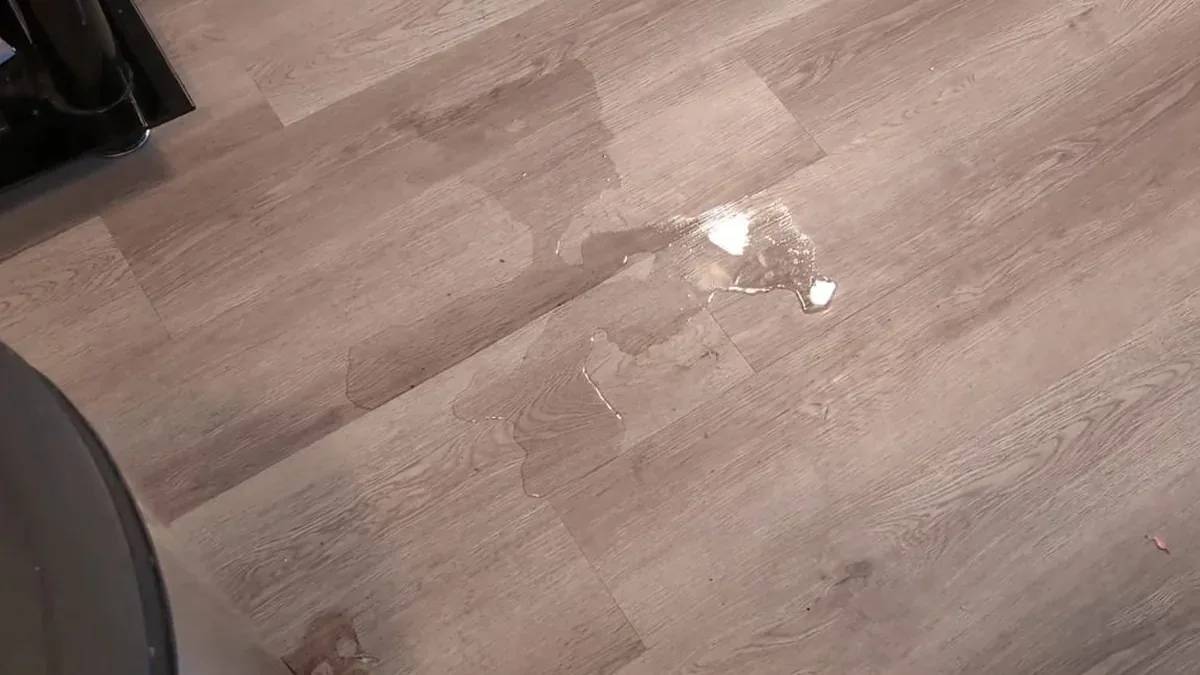
Water on the floor right now?
Close the main valve if you can, then call. A plumber serving your area can be dispatched at any hour.
Water extraction and removal
Standing water is pumped out with portable extractors, and wet carpet, pad and loose debris are removed. Speed here limits how far water travels into walls and floors. The depth, the area and the type of water decide the equipment.
| Water type | Typical source | Handling |
|---|---|---|
| Clean | Supply pipe, tank or faucet | Extract and dry quickly; most materials can be saved |
| Gray | Washing machine, dishwasher or tub overflow | Extract and clean; porous materials are often removed |
| Black or sewage | Sewer backup or contaminated flooding | Treat as hazardous; porous materials are removed |
Clean water that sits can become gray within a day or two, which is why a quick call matters. If the water is sewage or has come in from outdoors, do not walk through it or touch it, and keep children and pets away.
Drying equipment: air movers and dehumidifiers
After the water is out, the structure is still wet. Air movers push dry air across floors and walls, and dehumidifiers pull moisture out of the air so it can keep absorbing more. Moisture readings guide the process, and drying continues until the materials read dry, not until they feel dry.
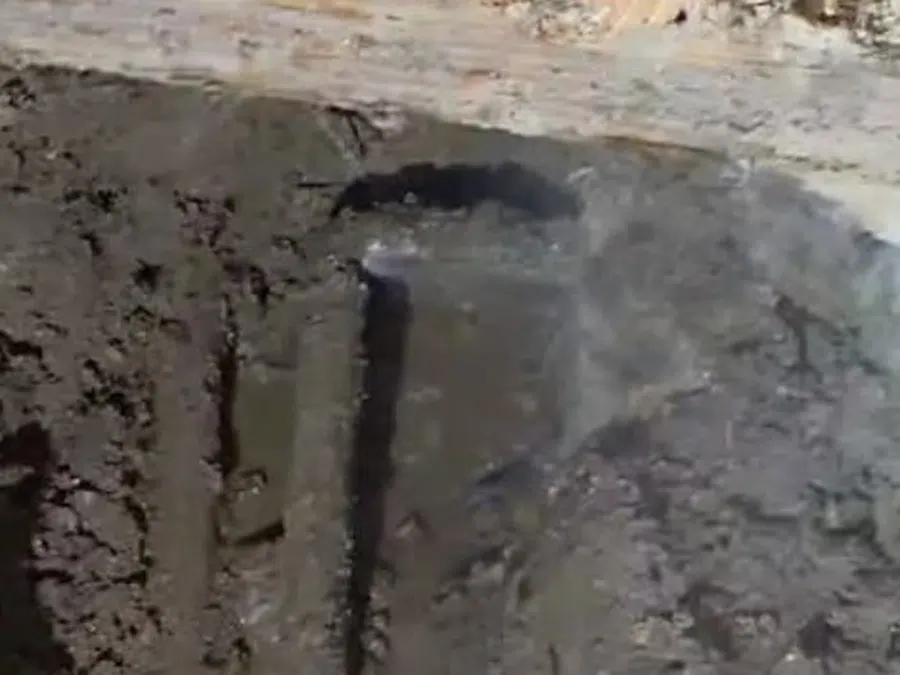
Cabinets, baseboards and wall cavities often need small openings so air can reach hidden moisture. Skipping that step leaves wet insulation or framing behind the paint, which is exactly where mold takes hold.
Sewage backup cleanup
A sewage backup is a health hazard. The water carries bacteria and should be removed by trained people using protective gear. Porous materials such as carpet, pad and drywall that touched sewage are normally removed instead of cleaned. The source, usually a blocked main or a damaged lateral, has to be cleared before cleanup finishes.
The sewer line repair page explains finding and fixing the blockage. Clearing the line, removing the contaminated material and sanitizing the area are separate steps that a plumber coordinates.
Flooded basements, crawl spaces and whole-house flooding
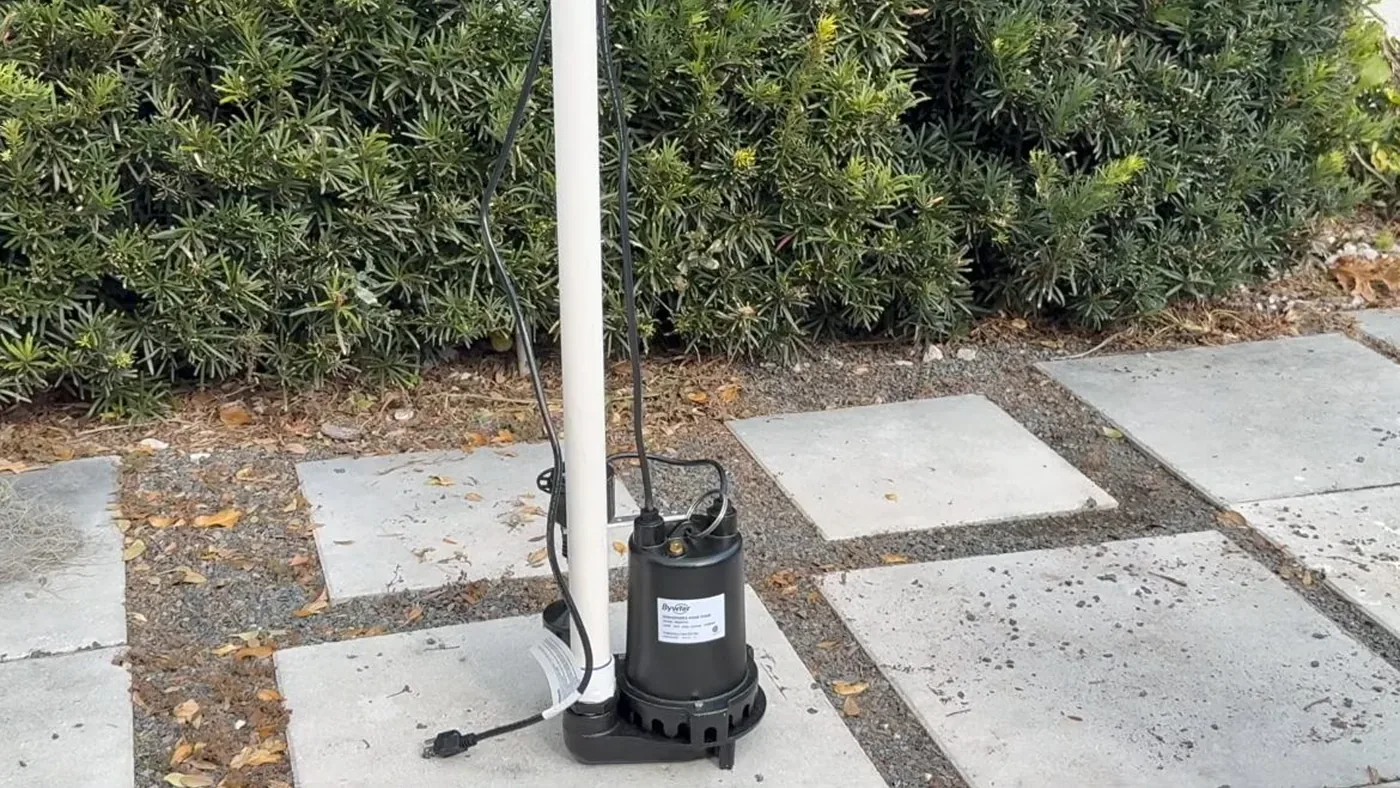
A flooded basement can come from a burst pipe, a failed sump or ejector pump, a sewer backup or water entering from outside after heavy rain. Finding which one is essential, because the fix and the cleanup differ. Water from outside raises questions about drainage, grading and the foundation that are beyond a plumber's cleanup.
- Do not enter a flooded basement if water is near the electrical panel or outlets.
- Do not run a household vacuum on standing water.
- Stop using drains and fixtures if a sewer backup is possible.
- Photograph the damage before moving or discarding anything, for your insurance records.
Flooring, carpet and building materials
Hardwood cups and buckles, laminate swells, carpet pad holds water like a sponge and drywall softens and sags. Some materials can be dried in place. Others, such as saturated pad and swollen laminate, are removed. A moisture meter on every surface gives the plumber an objective basis for the decision.
Mold testing and mold removal
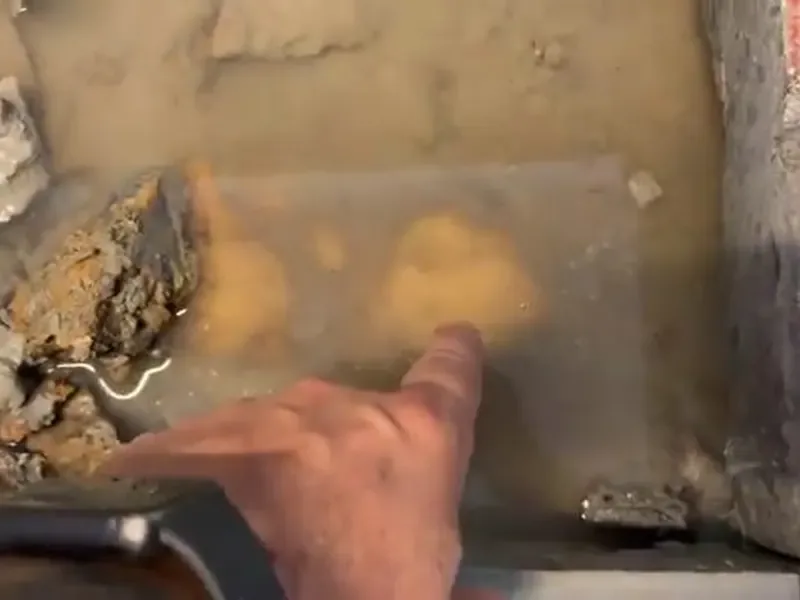
Mold remediation and removal start with finding out whether mold is present. Mold can start to grow in damp materials within a couple of days, and testing and inspection show whether it is present, where it is and how far it has spread. Surface mold on a small area of non-porous material can be cleaned. Growth inside walls or on porous materials is removed along with the affected material.
Removal covers the affected area only. Rebuilding drywall and finishes is a separate trade. No mold rule specific to this area is cited here, so ask your municipality or your insurer whether any requirements apply to your situation.
Where the water came from
Stopping the source decides how the cleanup goes. A slow drain that overflowed belongs on the drain cleaning page. A tank that let go is covered under water heater repair. A break in the line outside the house is a water line job, and a leak beneath the floor is explained under slab leak detection.
Businesses with water damage can read about commercial plumbing for access and scheduling, and the 24/7 dispatch line covers any hour of the day.
Damage assessment and insurance documentation
A major loss deserves a full inspection of the structure, not a quick look at the wettest room. A written record of what was wet, what was removed and what readings were taken, kept as loss documentation, helps with insurance claims. Photographs, moisture logs and a list of removed materials give the adjuster something to work with. Ask your insurer what they need early, because some policies expect prompt notice.
Leaks that did not come from plumbing, such as roof, ceiling, air conditioner or irrigation leaks, are handled the same way once the source is stopped. A basement that keeps taking on water after the repair may need a waterproofing or foundation inspection. Condo, apartment and commercial properties follow the same steps, with added notice to neighbors, tenants or the building manager. Storm, river and rain flooding is handled the same way once the water has receded and the area is safe.
Need a damage assessment?
Call and describe what is wet. Dispatch will arrange an assessment and removal.
Water damage questions
How quickly does water damage need to be dried?
As soon as possible. Materials start to deteriorate within hours, and mold can begin to grow in a day or two. Extraction and drying should start as quickly as a plumber can reach the property.
Does this service cover fire or smoke damage?
No. The work here is water removal and drying, along with mold testing and removal. Smoke and soot cleanup is a different trade.
What should I do before the plumber arrives?
Stop the source if you can reach the valve, turn off power to wet areas only if it is safe, lift valuables out of the water and take photographs for your insurance records.
Is a flooded basement always a plumbing problem?
No. It can come from a pipe, a pump failure, a sewer backup or water entering from outside. A plumber stops the plumbing sources and tells you when the cause is drainage or the foundation.
Water spreading through the house?
Stop the source if you can, then call. Water damage dispatch is open around the clock.
- Licensed and insured plumbers
- Same-day service when available
- 24/7 emergency dispatch