Smell Gas? Emergency Gas Line Repair and Installation in Harleysville
If you smell gas, do not stay to investigate. Leave the house, leave the door open behind you and call 911 from outside. After the area is safe and the gas supplier has shut the supply, dispatch can send a plumber to find the leak and repair the line.
- Licensed and insured plumbers
- Same-day service when available
- 24/7 emergency dispatch
If you smell gas: what to do first
- Leave the building at once and take everyone with you.
- Do not switch lights, appliances or garage doors on or off, and do not use a phone inside.
- Call 911 from outside, and tell them you smell gas.
- Do not go back inside until the fire department or the gas supplier says it is safe.
- Call a plumber for the repair after the supply is shut off and the area is cleared.
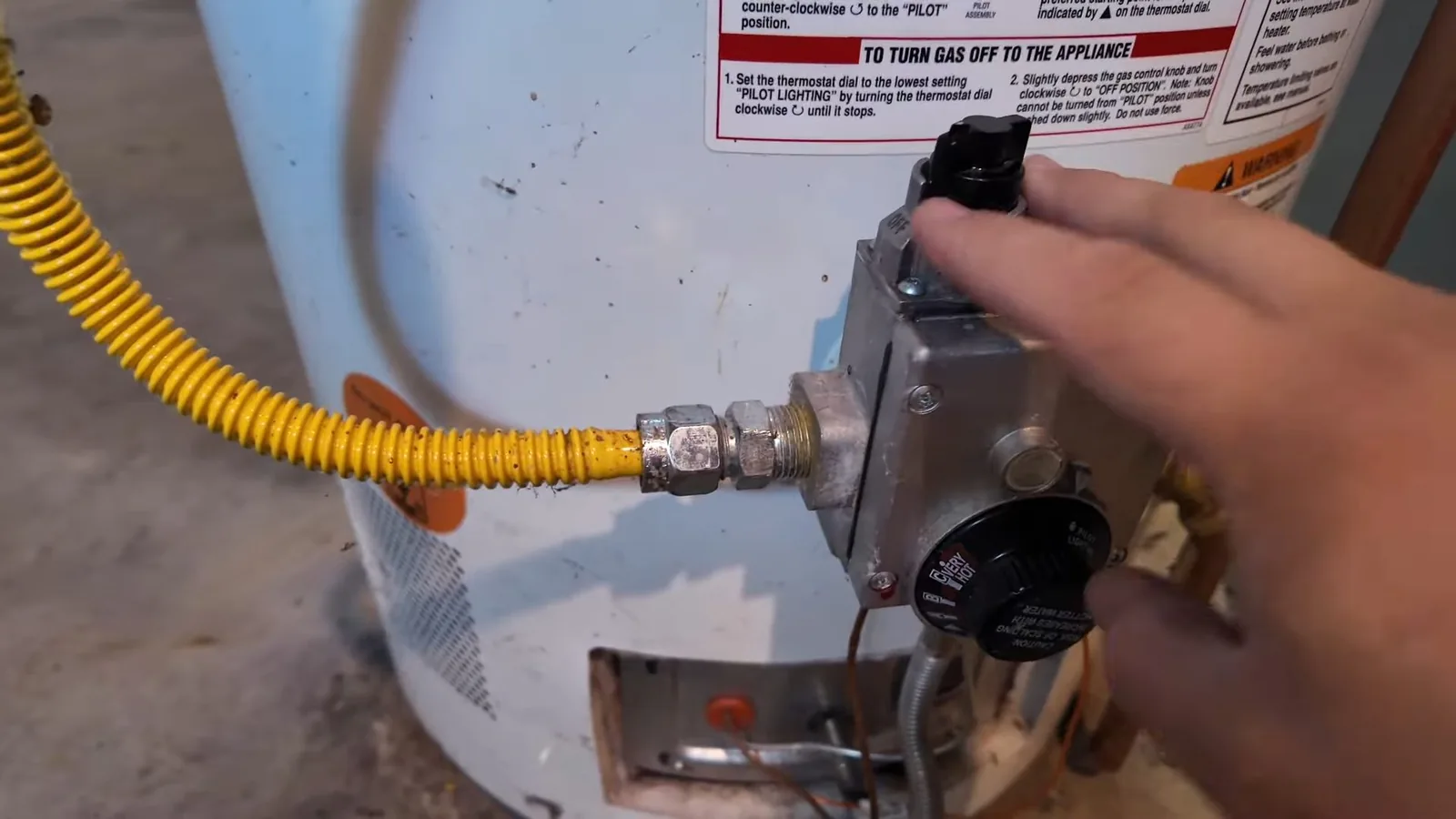
Natural gas has a sulfur-like odor added so leaks are noticeable. A strong smell, a hissing sound near a pipe, dead vegetation over a buried line or a bubbling puddle outdoors all deserve the same response. A pilot light that keeps going out is a lesser warning, but still worth a service visit.
Gas line repair: finding and fixing a leak
Once the supplier or fire department has made the building safe, a plumber locates the leak with a pressure test and a gas detector, often combined with a soap solution on joints. Common causes are a loose fitting, a corroded section of pipe, a failed appliance connector or damage from digging or renovation.
The repair can be as simple as tightening a union or replacing a short length of pipe. After any repair the system is pressure tested again, and the plumber relights appliances only when the line holds. A line that fails the test stays shut off until it is fixed.
Gas smell at home?
Get outside first and call 911. After that, dispatch can arrange the repair.
Black iron, CSST and pipe replacement
| Material | Where it appears | Notes |
|---|---|---|
| Black iron | Rigid interior and exterior runs | Threaded joints can loosen; surface rust is a warning sign |
| CSST | Flexible stainless tubing in newer runs | Needs correct bonding and careful routing |
| Copper or flexible connectors | Appliance hookups | Connectors age and should be replaced with the appliance |
| Polyethylene | Buried yard lines | Used underground; fittings are the weak points |
Replacing a corroded run of black iron is routine for a plumber, and it is often the sensible fix when rust has reached the threads of several joints. CSST work should follow the manufacturer's bonding and support instructions. If the existing pipe is undersized for new appliances, the right fix is a new line, not a bigger flame on the old one.
New gas line installation
Adding a gas line serves a range, a dryer, a fireplace, a grill, a generator or a tankless water heater. The plumber measures the total load of all appliances, sizes the pipe for it and runs the line from the meter or the nearest tee to the new outlet. Oversized loads on a small pipe lead to weak flames and appliance faults.
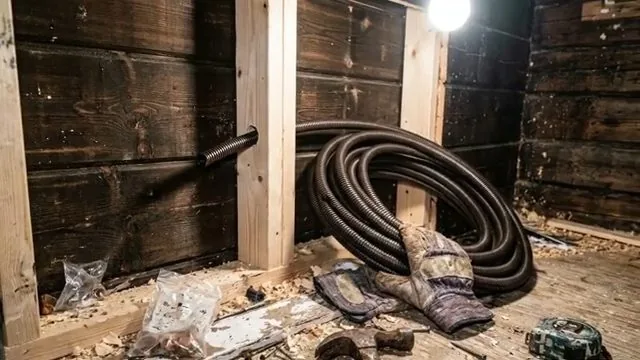
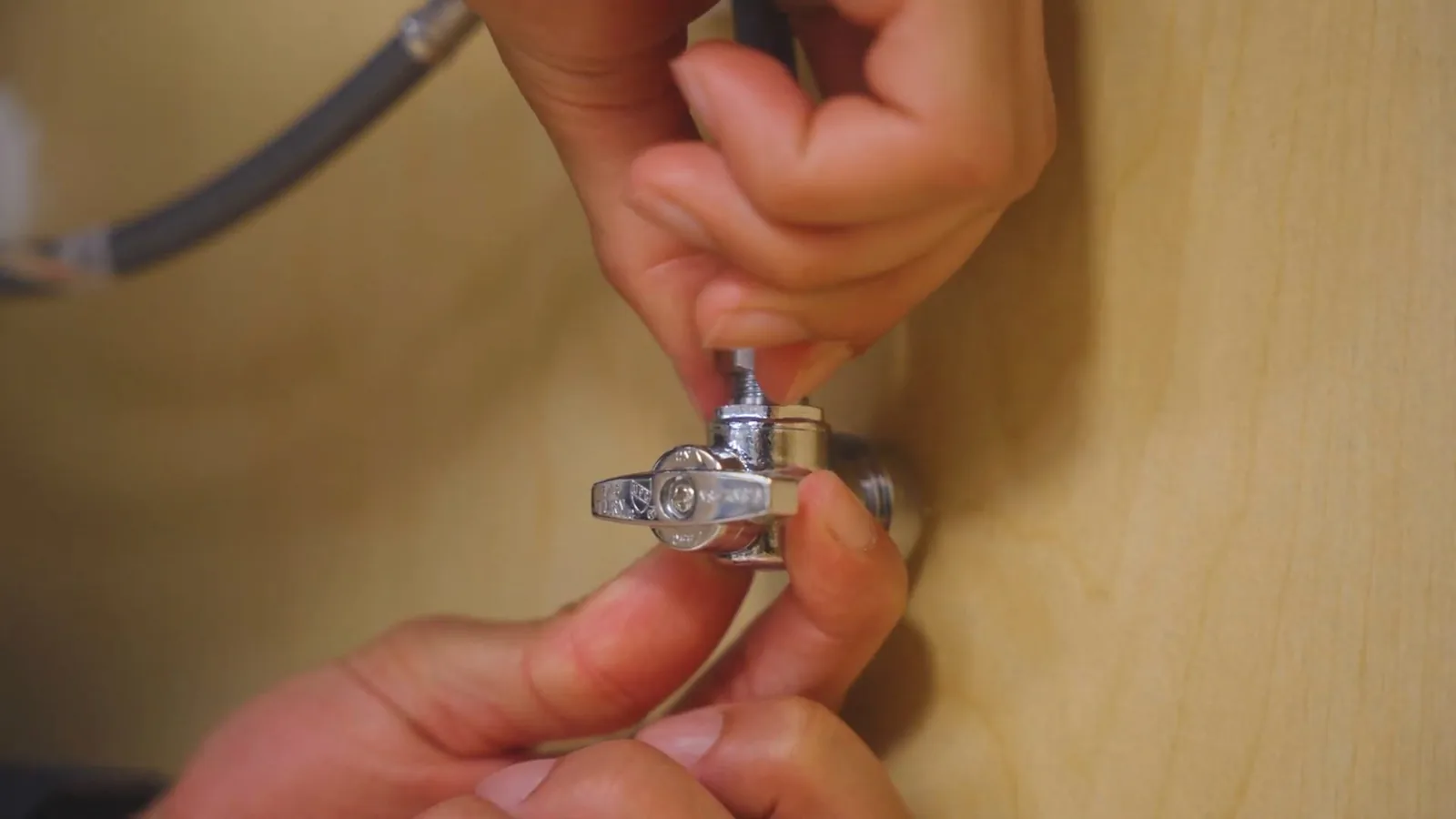
Every new outlet needs a shut-off valve within reach and a pressure test before use. Outdoor lines, such as one for a grill or a generator, are protected from damage and weather. A plumber can also advise whether a propane setup changes any of this.
Appliance hookups and connectors
- Range or cooktop: a flexible connector and a shut-off valve within reach.
- Dryer: a gas valve, a rated connector and a venting check.
- Fireplace and log sets: a key valve and a correct supply pipe size.
- Grill or outdoor kitchen: a buried or protected line with its own shut-off.
- Generator: a dedicated line sized for the load.
Connectors are not permanent. A flexible connector that is kinked, corroded or older than the appliance should be replaced, and old rubber connectors should not be reused with a new unit. If an appliance is being replaced, the hookup is the right time to check the valve and the line.
Propane and other fuel questions
Some homes outside the gas main use propane from a tank. The pipe work is similar, but pressures differ, so regulators and appliance orifices must match the fuel. A plumber can tell whether an appliance is set for natural gas or propane and what conversion is needed when the fuel changes.
Inspection and pressure testing
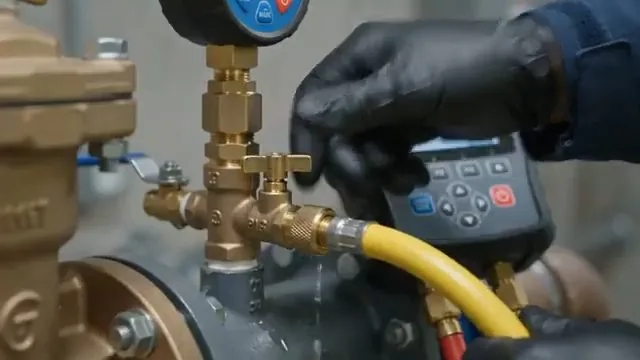
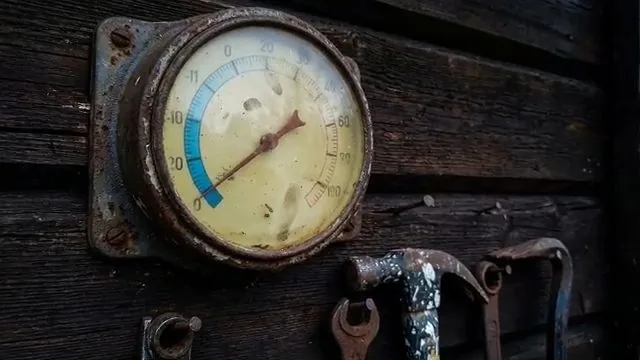
Before a new appliance is connected, after any pipe work and when a leak is suspected, a pressure test shows whether the system holds. The plumber closes the supply, applies test pressure and watches the gauge for drop. A steady gauge means the system is tight, and a falling gauge means keep looking.
If you are also replacing a water heater, the water heater installation page and the tankless page explain how gas supply and venting affect the choice, since a tankless unit often needs a larger line.
Permits for gas work
Gas line work is commonly permitted and inspected, though the rules vary by municipality under the statewide construction code. Residents of Limerick Township can file a plumbing permit application with the Department of Code Services, while Souderton's borough office expects a permit for plumbing past a simple fixture change.
Emergency dispatch handles after-hours calls once the area is safe. Where you live determines the office to call. Ask which parts of your job will be inspected, and the plumber can fit that step into the schedule.
Need a gas line repaired or installed?
Call dispatch to describe the job. For a gas smell, leave and call 911 first.
Gas line questions
What should I do if I smell gas in my house?
Leave immediately, avoid switches and flames, and call 911 from outside. Do not return until the fire department or gas supplier says it is safe, then arrange a plumber for the repair.
Can a plumber move or extend a gas line?
Yes, a plumber can extend a line to a new appliance, reroute around a renovation or upsize a run. The work is pressure tested and typically permitted and inspected where the municipality requires it.
How do I know my gas line needs replacing?
Rust, repeated leaks, an undersized pipe for new appliances or a kinked flexible connector are common reasons. A plumber can inspect the run and test it before suggesting anything.
Is a gas leak repair an emergency?
A suspected leak is always urgent. Get out first, call 911 and then call dispatch. Planned work, such as adding a line for a new range, can be scheduled.
Gas smell or a line that needs work?
Leave the house first if you smell gas and call 911 from outside. Then call dispatch for the repair.
- Licensed and insured plumbers
- Same-day service when available
- 24/7 emergency dispatch