Old Tank Failing? Plan Your Water Heater Replacement in Harleysville
Many homeowners assume a new water heater is a quick swap of one tank for another. In practice the visit depends on the fuel, the venting, the water connections and the local permit rule, and getting those right is what separates a clean install from a callback.
- Licensed and insured plumbers
- Same-day service when available
- 24/7 emergency dispatch
Replacement is more than swapping one tank for another
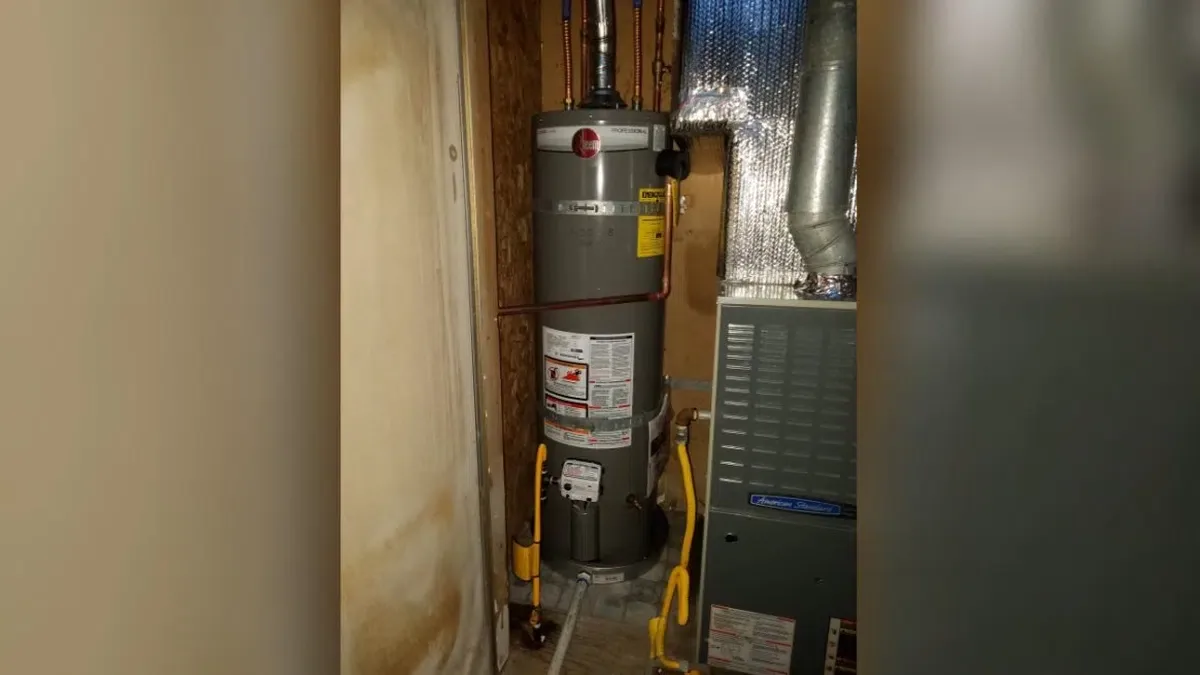
The old tank is only part of the job. A proper replacement also looks at the gas line or electric circuit feeding the unit, the vent path that carries exhaust outside, the shut-off valves, the pressure relief discharge pipe and the drain pan underneath. Any of those can be out of date even when the tank itself is the only thing that failed.
That is why a good first call covers more than price and size. A plumber will ask which fuel you use, how old the tank is, where it sits, how many people live in the house and whether the vent or flue has ever been modified. Those answers decide whether the job is a straight replacement or a small project.
Gas, electric, hybrid and heat pump water heaters
| Type | How it heats | Points to weigh |
|---|---|---|
| Gas tank | Burner under the tank, vented outdoors | Needs a gas supply and a clear vent path; recovers quickly |
| Electric tank | Two elements inside the tank | Needs a suitable circuit; no flue to manage |
| Heat pump hybrid | Pulls heat from surrounding air, backed by elements | Needs open space and drainage for condensate; cools the room it sits in |
| Point-of-use | Small unit under a sink or near a fixture | Covers one fixture; useful where a long pipe run delays hot water |
Gas tanks are common where gas service is available, and electric tanks are common where it is not. Hybrid units use less electricity but need room and a drain. A plumber can explain which fits the space you have and what the existing connections allow, rather than assuming a like-for-like swap is the only route. For gas models, pipe sizing and shut-off valves are covered on the gas line installation page.
Sizing a tank for the people in your house
Tank size is a trade-off. Too small and the last person in the queue gets lukewarm water. Too large and the unit keeps extra gallons hot all day for no reason. A common starting point is to count the people in the house and the number of bathrooms, then adjust for habits such as long showers, a soaking tub or a dishwasher running in the morning.
Recovery rate matters as much as capacity. A smaller gas tank that reheats quickly can beat a larger electric one that takes longer to catch up. Tell the plumber how the household actually uses hot water, and ask for the first-hour rating of the unit rather than the gallon figure alone.
Not sure what size to choose?
Describe your household and dispatch will plan the visit around a tank that fits.
Expansion tanks, valves and code details
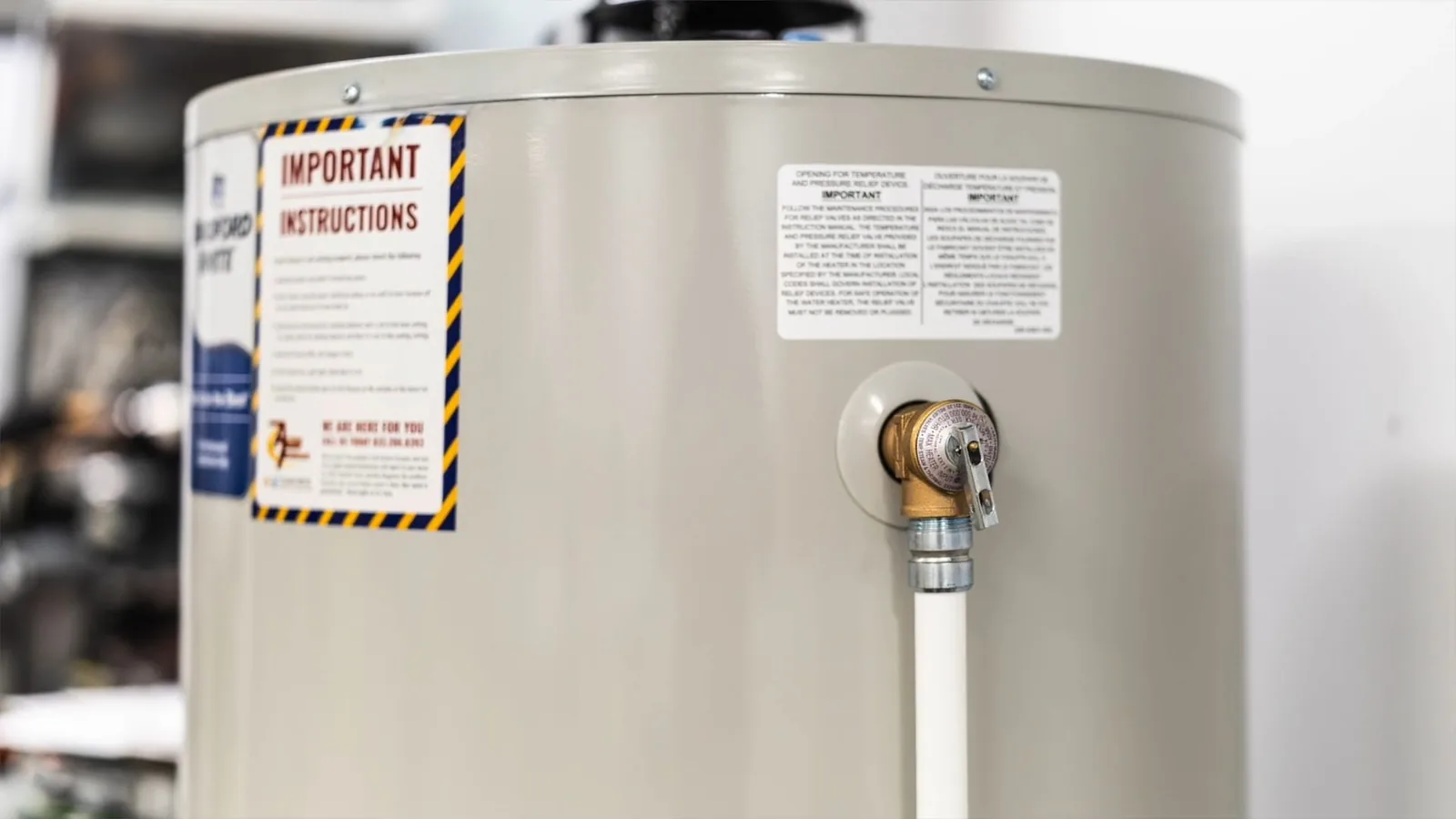
Many homes have a check valve or pressure regulator that makes the plumbing a closed system. When water heats it expands, and with nowhere to go the pressure spikes. An expansion tank gives that water somewhere to move, and it protects the relief valve, the tank and the fixtures. It is a small part that is easy to forget on a rushed job.
- A new relief valve with a discharge pipe that ends in a safe spot.
- Fresh flexible connectors or new piping where old fittings are corroded.
- A drain pan and drain line where a leak would reach finished space.
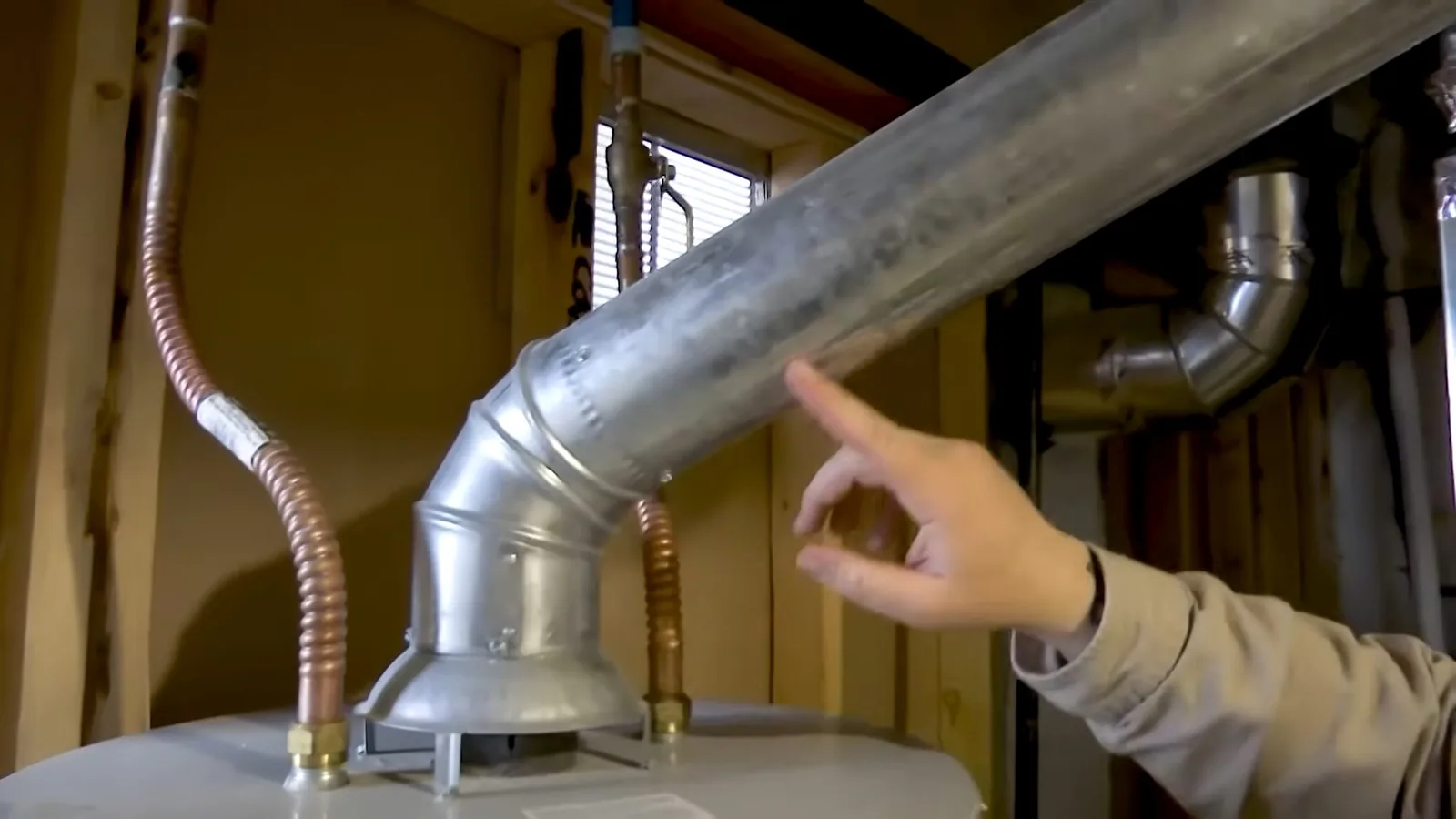
- Venting that matches the new unit and slopes correctly.
- Seismic or sturdy strapping where the plumber judges it necessary.
- Gas shut-off and sediment trap, or a dedicated electric disconnect.
Permits and inspections: what to check locally
Pennsylvania administers a statewide construction code, but each municipality decides how to enforce it. Whether a like-for-like replacement needs a permit varies by borough or township, so ask the municipal office before the work starts. Souderton Borough, for example, says plumbing work beyond changing fixtures calls for a permit.
Limerick Township takes residential plumbing permit applications through its Department of Code Services. Other towns in the service area have their own offices, and those details have not been confirmed here, so a plumber who works in your municipality is the most reliable guide to what is required before the first fitting comes off.
Tank or tankless: when each makes sense
A tank is the simplest answer when the layout works and the budget is tight. Tankless units deliver hot water on demand and clear floor space, but they need a larger gas line or electrical service, sometimes new venting and periodic descaling. The decision is rarely about the heater alone.
If the household is considering on-demand heat, read the tankless water heater page before deciding. If your current tank is leaking rather than just old, the water heater repair page explains what can be fixed and what points toward replacement.
What happens on installation day
- The plumber confirms the fuel, the location and the venting, and shuts off water, gas or power.
- The old tank is drained and disconnected, and the connections are checked for corrosion.
- The new unit is set on a drain pan, then connected to supply, gas or power, venting and the relief valve discharge.
- The tank is filled, air is bled from the lines and the unit is lit or powered up and tested.
- The plumber explains the temperature setting, the shut-off locations and the first maintenance interval.
Most replacements are finished in a single visit. Surprises such as a rusted gas fitting, an undersized vent or a failed shut-off valve add time, and a plumber should tell you about them before continuing instead of after.
Same-day replacement when a tank fails
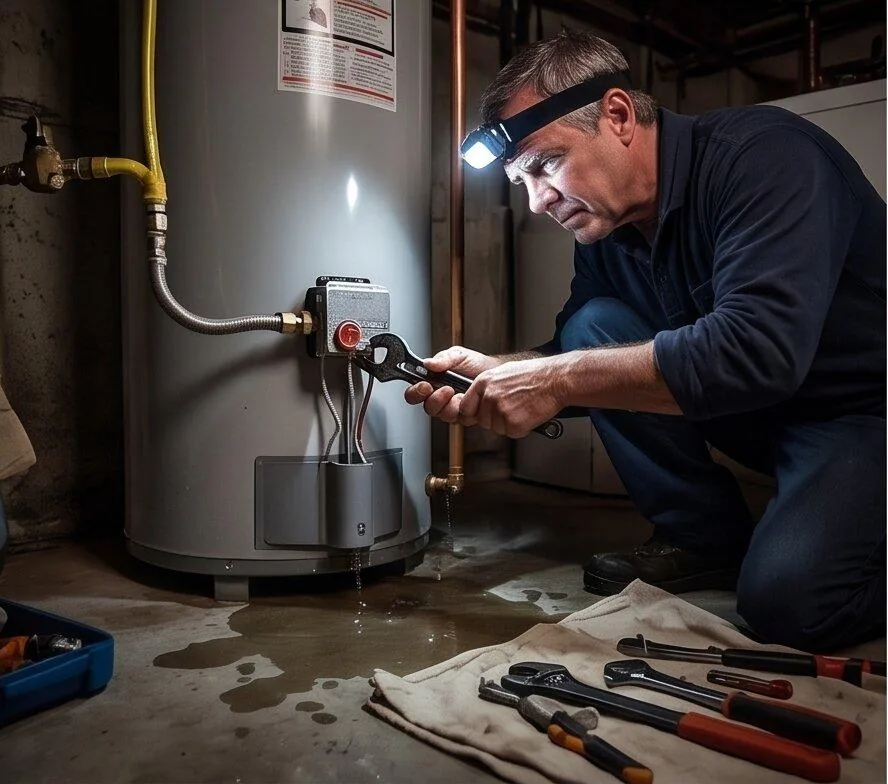
A tank that floods the floor is an emergency in the practical sense, even though replacement is scheduled work. Shut off the cold-water inlet and the power or gas first, then call. Same-day installation is offered when scheduling allows, and having the tank's age, fuel type and approximate size ready speeds up the plan.
Water that has already reached drywall, flooring or stored belongings is a separate problem, and water damage restoration covers the removal and drying. Dispatch can discuss both the new heater and the cleanup in one call.
Tank already leaking?
Call now and describe it. Dispatch will tell you what to shut off and when a plumber can arrive.
Water heater replacement questions
How do I know it is time to replace my water heater instead of repairing it?
Age, leaks from the tank body and repeated failures are the usual signs. A leak from a valve or fitting is often fixable, while water coming through the tank wall means the inner tank has failed. A plumber can weigh the unit's age against the repair.
Do I need a permit to replace a water heater in the Harleysville area?
It depends on the municipality. Pennsylvania has one statewide code but each borough or township handles enforcement, so contact the local office or ask the plumber what applies at your address before work begins.
Can a gas water heater be swapped for an electric one?
Sometimes, but the electrical service has to support it and the vent and gas line become unused. A plumber and an electrician may both be involved, so describe the house and ask what the conversion would involve.
What does a plumber need to know before quoting a replacement?
The fuel type, the age and size of the current tank, where it sits and whether it has a drain pan. Photos of the nameplate and the vent help dispatch plan the visit.
Ready to plan a water heater install?
Tell dispatch the age, fuel and size of the tank you have now and a plumber serving your area can line up the visit.
- Licensed and insured plumbers
- Same-day service when available
- 24/7 emergency dispatch