
Slab Leak Under the House? Emergency Detection and Repair in Harleysville
Once a slab leak is confirmed, the owner faces one decision: fix the single spot, reroute the line around the concrete, or replace the whole run. The right answer depends on how many leaks the pipe has had, where it runs and what the floor above it is made of.
- Licensed and insured plumbers
- Same-day service when available
- 24/7 emergency dispatch
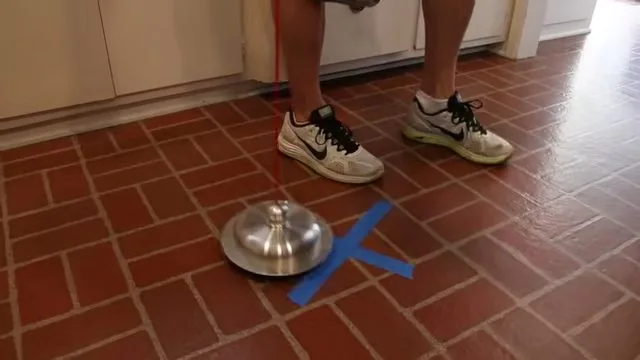
Confirm what the house sits on before calling it a slab leak
A slab leak is a leak in a water line that runs under or through a concrete floor. The term only applies to houses that have one, and not every house does: some sit on a basement or a crawl space instead. A plumber starts by confirming what the house is built on, because the answer changes where the pipes are and how they are reached.
If the house has a basement or crawl space, supply lines usually run in the open overhead, and a leak is found and repaired without touching concrete. If part of the house is a slab, such as an addition, a garage conversion or a sunroom, lines under that part are the ones in question. That mix is why a visit begins with a look rather than an assumption.
Slab leak detection and location
The aim is to find the leak within a small area before anyone breaks concrete. Detection starts with isolating the line: a plumber shuts off sections of the house to learn which run is losing water, then listens with acoustic equipment along the floor for the sound of water escaping under pressure. Thermal imaging adds a second reading on hot-water lines, where a leak warms the concrete above it.
| What you notice | What it can mean |
|---|---|
| A warm or hot patch on the floor | A hot-water line leaking beneath that spot |
| Sound of running water with every tap off | A pressurized line escaping somewhere in the house |
| Meter turning while the house is idle | Water leaving through a line, not a fixture |
| Damp carpet, lifted flooring or a musty smell | Water reaching the surface through cracks or seams |
| Water bill climbing for no clear reason | A leak that has been running for weeks |
None of these proves a slab leak on its own. A running toilet, a failing water heater valve or a leak in a wall can mimic each one. Detection rules those out and confirms the line before repair is discussed.
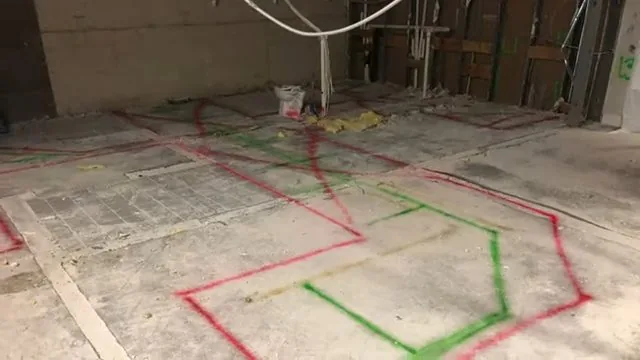
Think the leak is under the floor?
Describe what you notice and dispatch will explain what comes first.
Foundation and concrete: what repair involves
Concrete does not fail when a pipe leaks, but the ground around the pipe can wash out, and constant moisture can lift flooring and stain walls. Repair has to consider both the pipe and what it sits in. Opening the slab means cutting a small section, exposing the pipe, making the repair and patching the concrete back. A floor covering such as tile, hardwood or carpet above the cut will need to be removed and restored.
That is why detection precision matters. A leak located to within a few inches means a small cut. A guess means a larger one. It also helps to move furniture and clear the area before the visit, because the plumber needs access to the floor along the pipe's likely path.
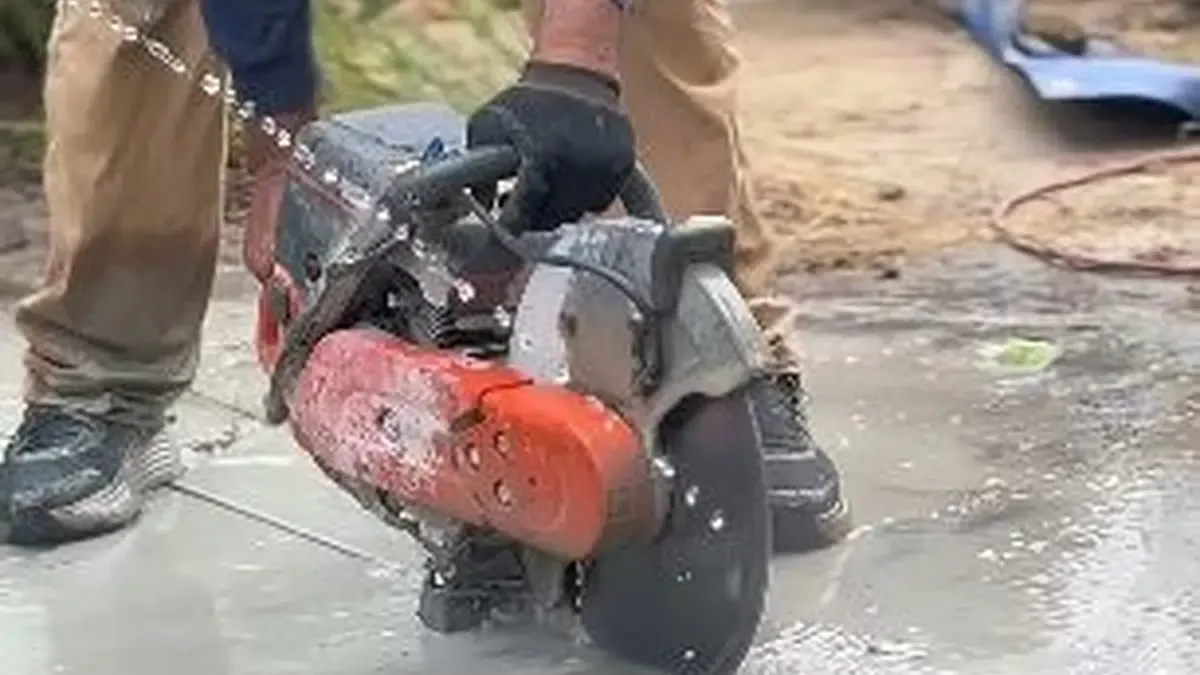
Slab leak repair, reroute or replacement
There are three common ways to deal with a confirmed leak. A spot repair cuts into the slab at the leak and fixes that section. A reroute abandons the leaking run and installs new pipe through walls or the attic, which avoids concrete entirely. Pipe lining, where it fits, coats the inside of an existing line with epoxy to seal small leaks without trenching. Each suits a different situation.
| Option | Fits when | Trade-off |
|---|---|---|
| Spot repair | One leak, pipe otherwise sound | Cuts the slab and the floor above it |
| Reroute | Several leaks or a line that is failing | Pipe runs in walls or ceilings, with openings to patch |
| Epoxy lining | Small leaks in a line that can be accessed at both ends | Not suited to badly damaged or offset pipe |
| Whole-run replacement | Pipe worn out along its length | Largest scope, longest visit |
The pattern of leaks usually decides it. One leak in an otherwise healthy line is a candidate for a spot repair. Two or more in a short time suggest the pipe itself is wearing out, and a reroute or repiping often makes more sense than repeating the process. Plumbers serving your area explain each option and what it involves before work starts.
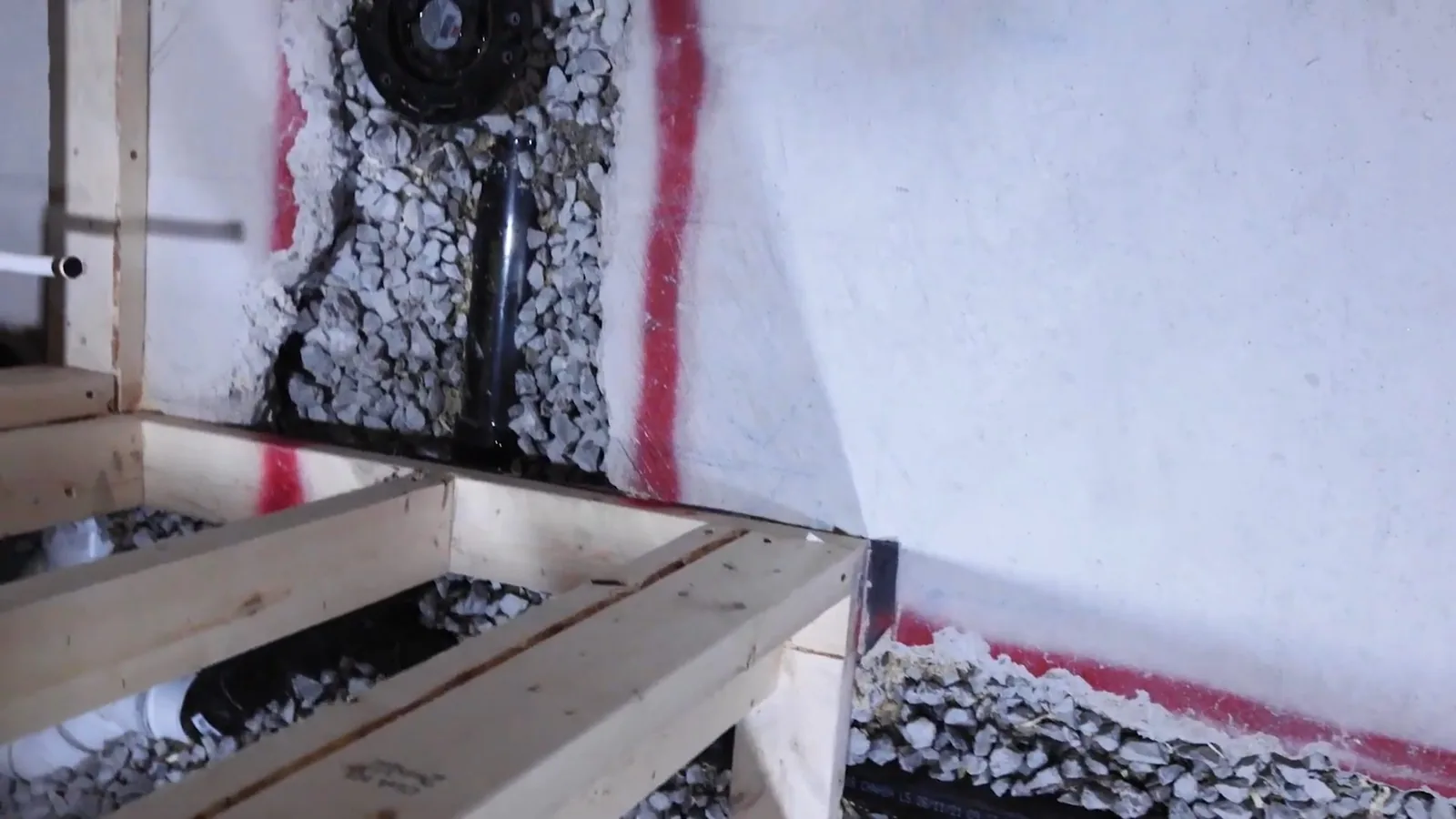
Residential slab leak services in one visit
Residential slab leak repair here covers the whole sequence: detection, a foundation leak inspection of the slab for cracks and settling near the line, and then the repair itself. Underslab leak service can be done by opening the floor, by rerouting through walls, or by trenchless lining where the pipe allows it. A plumber who handles all three can recommend what fits rather than what a single method allows.
Insurance and records
If the leak has damaged flooring or walls, ask your insurer what the policy covers before repairs begin. Policies differ on whether they cover the pipe, the access cut or only resulting damage. Keep photos of the damage, the dated meter readings and any written findings from the plumber, because those make a claim easier to support.
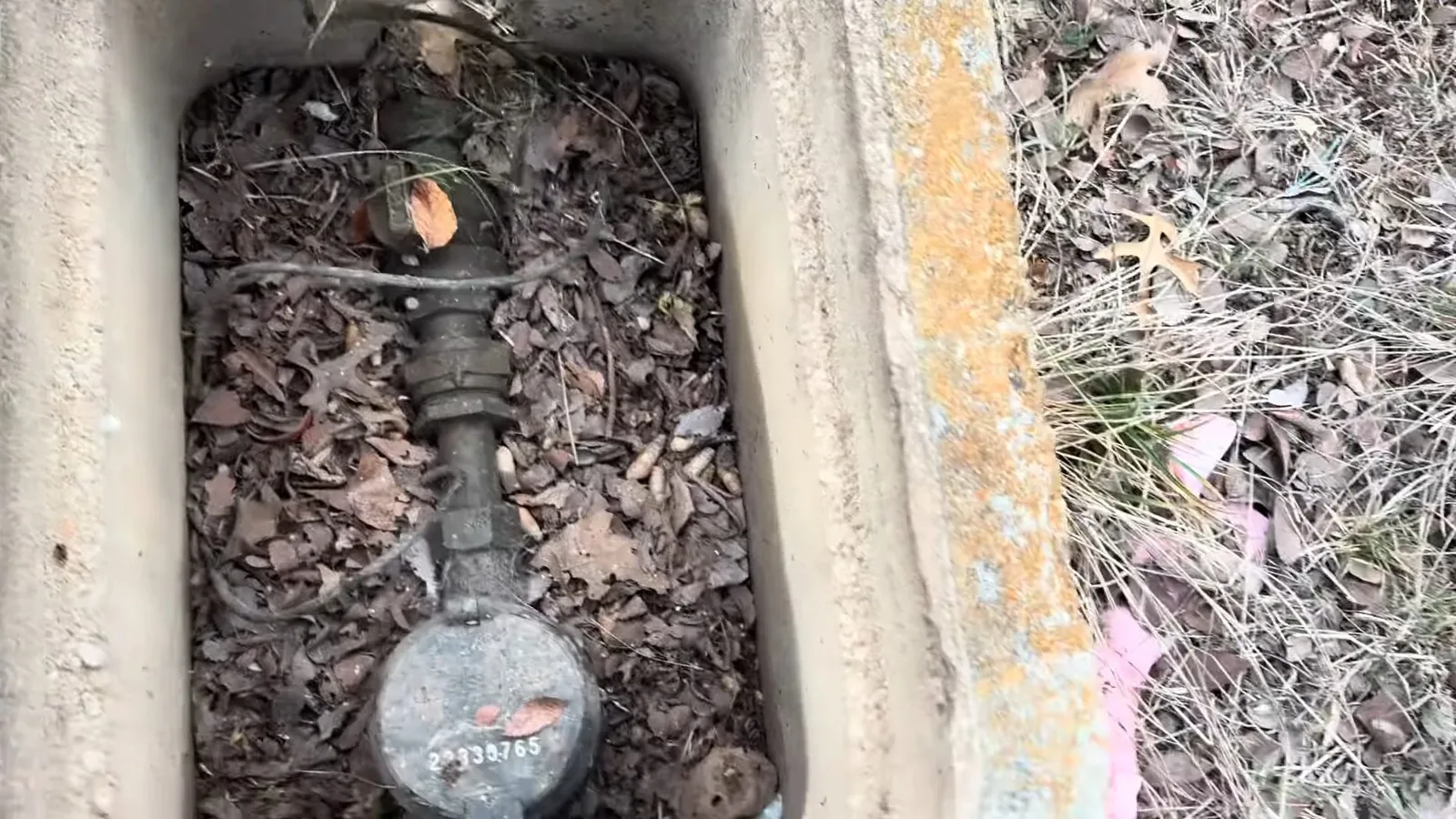
First steps when you suspect a slab leak
Time matters more than cost at this stage, because a leak under concrete keeps eroding the ground beneath it. The steps below limit the damage until a plumber arrives. For help at any hour, see the emergency plumber page.
- Close the main water valve and confirm the meter stops.
- Open a faucet at the lowest point to relieve pressure in the lines.
- Lift rugs or furniture from any warm or wet area and photograph it.
- Leave the water off at the main until the visit, using stored water for the night if you must.
- Call, and say where the warm spot or sound is.
If water has spread into rooms, the water damage restoration page explains drying and mold testing. For leaks that are not under the floor, start with leak detection and repair.
Need a plan for a suspected slab leak?
Dispatch will explain what a visit covers before anyone is sent.
Slab leak questions answered
What does a slab leak look like when it first shows up?
Two patterns are common. A hot-water line leaking under the floor warms a patch you can feel with bare feet, which is the clearer sign. A cold-water leak is quieter: look for a meter that moves with everything off, damp flooring or a rising bill. If you see the warm patch, call promptly; if only the bill is rising, schedule detection soon.
How do plumbers fix a leak under a concrete floor?
They locate the leak, then choose between a spot repair, a reroute through walls, epoxy lining or replacement of the run. The choice depends on the number of leaks and the pipe's condition, not on the first one found.
Does every home near Harleysville have a slab to leak under?
Not necessarily. Houses differ: some sit on a basement or crawl space, and some have a slab only under an addition or garage. Confirm what yours is built on first, then ask the plumber to check the lines in any area that sits on concrete.
What should I do right now if I suspect a slab leak?
Work through this checklist. 1. Close the main valve. 2. Confirm the meter has stopped. 3. Photograph any warm spot or wet floor. 4. Call. One caution: do not drill or cut the floor yourself, because you could hit another line or a conduit.
Warm floor or a meter that will not stop? Call now
Dispatch can match a plumber serving your area to a suspected slab leak at any hour.
- Licensed and insured plumbers
- Same-day service when available
- 24/7 emergency dispatch