
Burst or Frozen Pipe? Emergency Repiping and Repair in Harleysville
When you call about a burst or frozen pipe, dispatch asks three things first: where the water is, whether you can reach the main shut-off, and whether anyone is in danger. Answer those, shut the water off and a plumber serving your area will plan the fastest route to a repair.
- Licensed and insured plumbers
- Same-day service when available
- 24/7 emergency dispatch
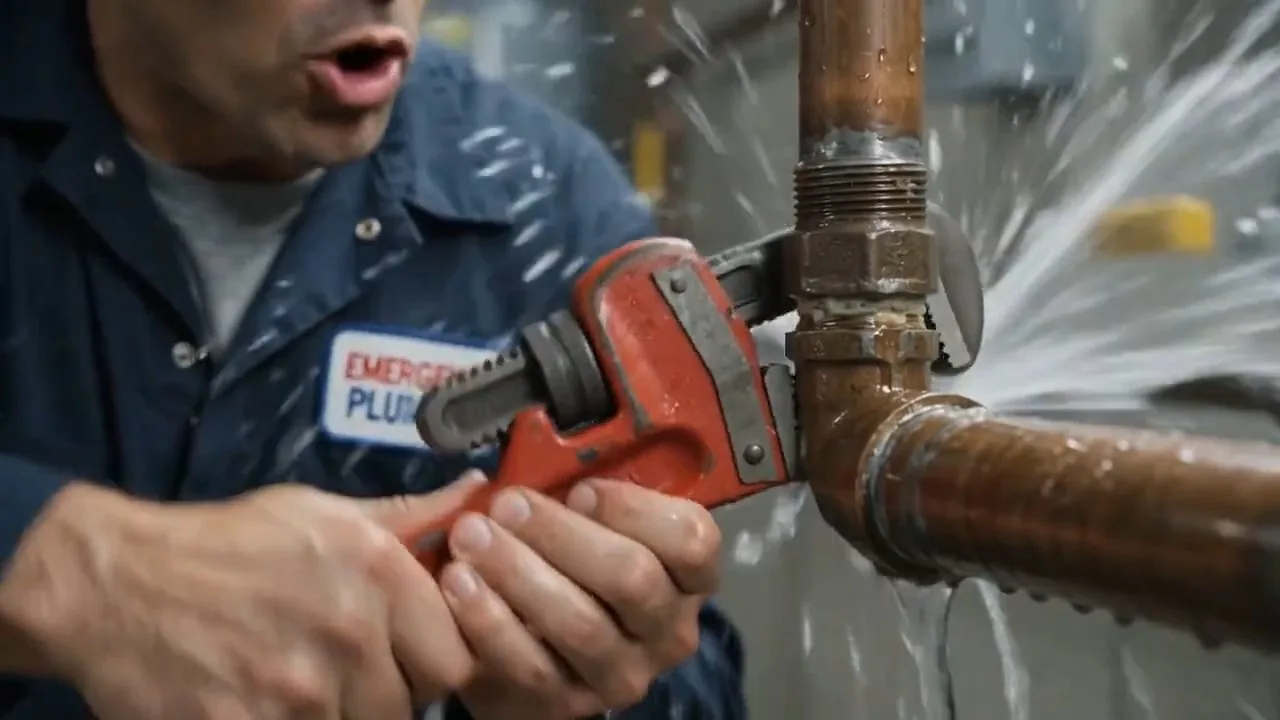
Frozen pipes: thaw safely before they split
Ice inside a pipe does the damage by building pressure between the blockage and the closed faucet. Pipes in exterior walls, unheated crawl spaces, garages and basement corners freeze first. If water slows to a trickle on a freezing night, treat it as a warning and act before the pipe splits.
- Open the faucet so water can flow as the ice melts.
- Warm the pipe slowly with a hair dryer or warm towels, working from the faucet toward the frozen section.
- Never use an open flame or a torch near a pipe or near anything flammable.
- Shut off the main valve if you see a bulge, a crack or water where there should be none.
- Call a plumber if you cannot find the frozen section or if it is behind a wall.
A pipe that has frozen once is likely to freeze again. After the thaw, ask the plumber whether insulation, heat tape or a change in routing would protect it, because the easiest time to fix a weak spot is before the next cold snap.
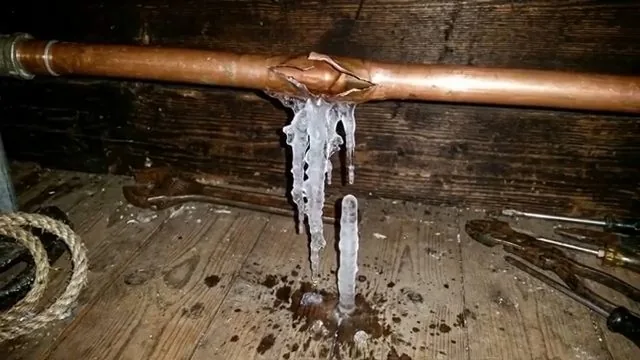
Burst pipes: stop the water first, then call
A burst pipe can release hundreds of gallons in an hour. The first job is the main shut-off valve, which is usually where the supply enters the house, near the meter or the water heater. Turn it fully closed, open a low faucet to drain the lines and switch off the water heater if the flooding is near it.
Then call. Tell dispatch where the main valve is, which room is wet and whether the water is clear or discolored. If water is near outlets or a panel, stay away and say so. The plumber will cut out the damaged section, replace it with new pipe and test the line before water is restored.
Water pouring from a ceiling or wall?
Close the main valve and call. A plumber serving your area can be dispatched at any hour.
Pipe repair: patching a section or replacing a run
A single split can be repaired by cutting out the damage and joining new pipe with fittings. The question is what the rest of the pipe looks like. If it is corroded, thin or heavily scaled, a patch buys a short reprieve and the next failure is a few feet down the same line.
| Situation | Usual answer | Why |
|---|---|---|
| One split from a freeze, rest of pipe sound | Repair the section | Damage is local and the pipe is healthy |
| Repeated pinhole leaks in the same run | Replace the run | Corrosion is spreading from the inside |
| Galvanized steel with low flow and rust color | Plan replacement | Interior is closing up and will keep failing |
| Pipe inside a finished wall with several leaks | Replace with a planned route | Opening walls once beats opening them repeatedly |
If the failure has already flooded part of the house, the water damage restoration page explains extraction and drying, and the leak detection and repair page is the place to start when you cannot see where the water is coming from.
Copper pipe: when to repair and when to replace
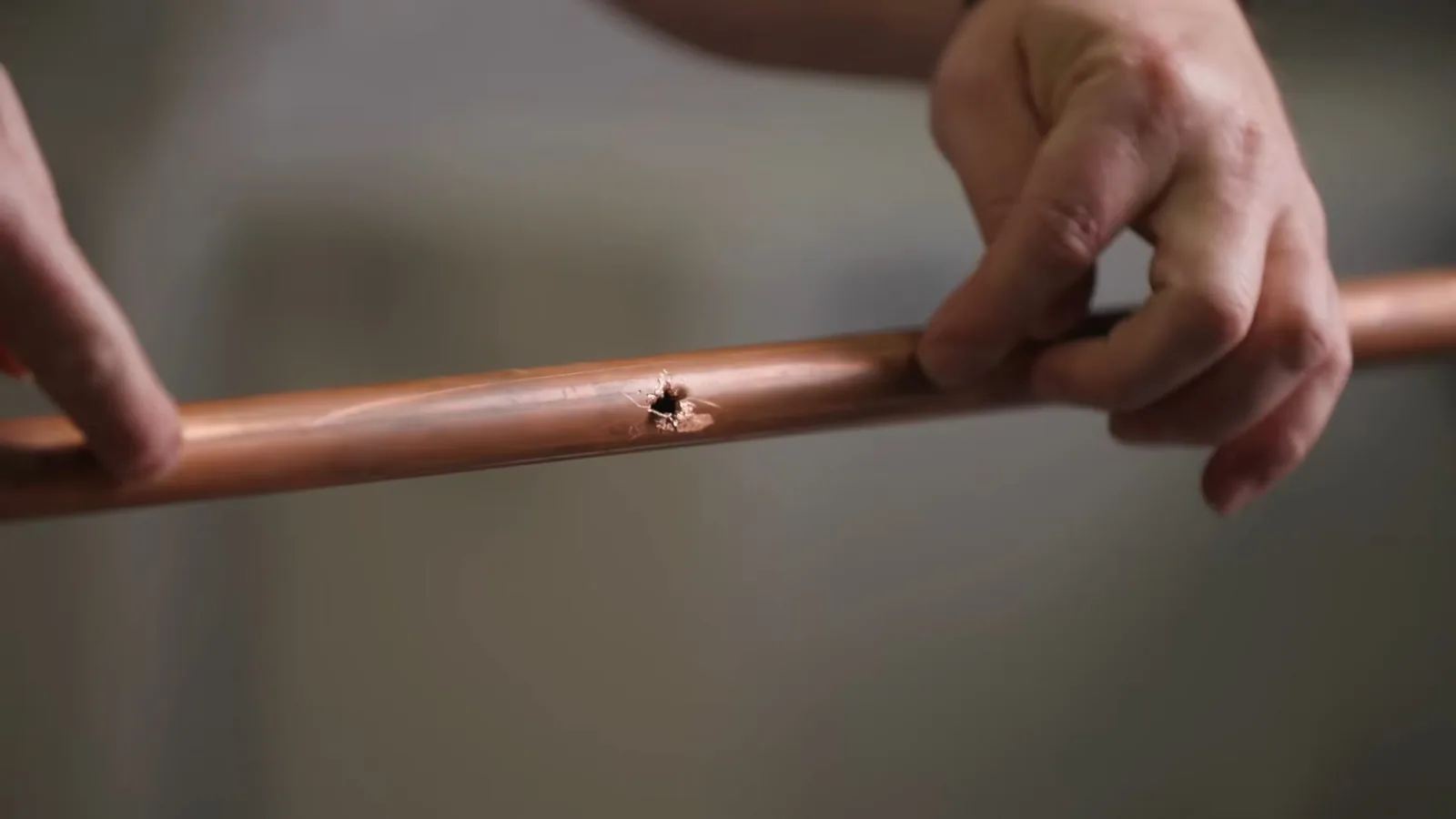
Copper lasts for decades, but it does not last forever. Water chemistry, flux left from old soldering and high flow velocity can eat pinholes into the wall from the inside. A green crust on a joint or a pinhole spray from a pipe is a sign the metal is thin. A plumber can look at several spots and tell you whether the problem is local or general.
Galvanized steel, polybutylene and other old materials
Galvanized steel corrodes from within, narrows over time and shows up as low pressure and rust-colored water. Polybutylene, a gray or blue plastic used in some homes in past decades, is known for failing at its fittings. Cast iron and clay appear in older drain lines. Check what you have before judging the rest of the plumbing.
Materials differ from house to house, so the first step is always to identify what is in your walls. A plumber can look at exposed pipe in the basement, the meter area and under sinks, and name the materials without opening anything.
Whole-house repiping: what it involves
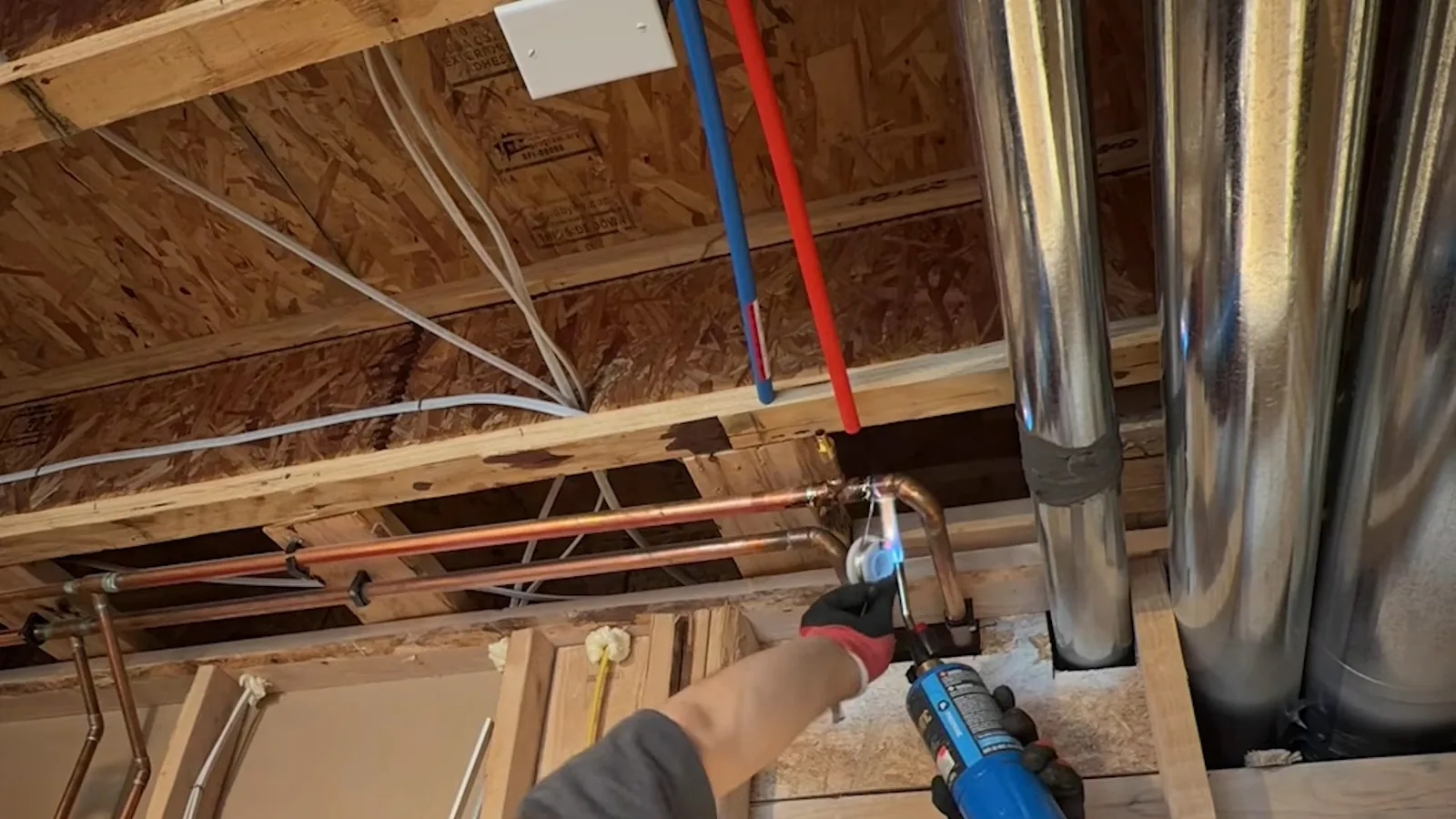
Repiping replaces the supply lines throughout a house, usually with PEX or copper. Plumbers work room by room, cutting small access holes in drywall, running new lines and patching the openings. A planned job can be done with the water off for a limited part of each day, which is much easier than coping with repeated leaks.
- PEX is flexible and resists freeze damage better than rigid pipe, though it should still be protected in cold spaces.
- Copper is durable and familiar, with soldered joints that are permanent when made well.
- CPVC is used in some homes but can turn brittle with age and heat.
- The choice depends on the house, the budget and what the plumber can install cleanly.
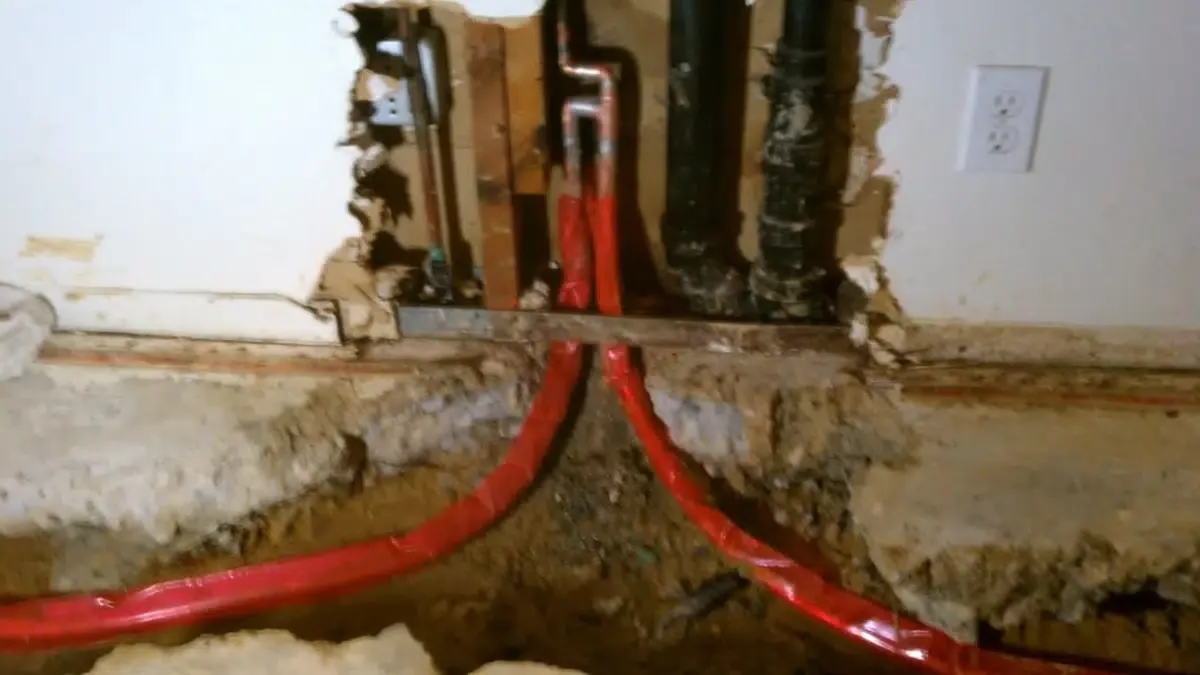
Under-slab and underground pipe problems
Not every leak is in the wall. Pipe under a concrete floor or buried between the street and the house leaks where nobody can see it. Signs are a jump in the water bill, damp flooring, warm spots on a floor or the sound of running water when everything is off. Locating the break comes before any digging.
For floors, the slab leak detection page covers location and options. For the buried line between the street and the house, see the water line repair page. Rerouting through walls or the attic is often considered when the slab route is impractical.
Permits and planning a larger job
Larger pipe work can need a permit, and what applies depends on the town. A repipe is far more than a fixture change, so Souderton's borough rule on plumbing beyond fixtures would apply there. In Limerick Township the code department keeps a plumbing permit form on file. For anywhere else, ask the local office before the first wall is opened.
After hours, round-the-clock dispatch reaches a plumber for burst pipes. Planning a repipe before an emergency is easier. You can compare materials, schedule around the household and decide on the access points without a flooded floor forcing the timeline.
Want to plan a repipe before something fails?
Call to describe the pipes you have and the problems you have seen.
Repiping and pipe repair questions
What should I do first when a pipe bursts?
Close the main water valve, open a low faucet to drain the lines, turn off the water heater if flooding is near it and call dispatch. Keep away from outlets and electrical panels if water is nearby.
Can a frozen pipe be thawed without a plumber?
Sometimes. Open the faucet and warm the pipe gently with a hair dryer, never a flame. If you cannot find the frozen spot, the pipe is behind a wall or it is already leaking, call a plumber.
How do I know whether I need a repair or a full repipe?
Repeated leaks, rust-colored water and low pressure point to a full repipe, while one split in sound pipe is a repair. A plumber can look at several spots and give a straight answer.
Is PEX a good choice for repiping an older house?
It is a common choice because it is flexible and tolerates freezing better than rigid pipe. Ask about fittings, access and the kind of water you have, and let the plumber match the material to the house.
Pipe burst or frozen right now?
Shut off the main water valve, then call. Dispatch is open around the clock.
- Licensed and insured plumbers
- Same-day service when available
- 24/7 emergency dispatch