Dripping Faucet or Running Toilet? Fixture Repair in Harleysville
Call dispatch about a dripping faucet or a toilet that will not stop running and the first question is simple: what does it do, and where is the water going? From the sound of the drip or the pattern of the leak, a plumber can often plan the parts before the visit.
- Licensed and insured plumbers
- Same-day service when available
- 24/7 emergency dispatch
Faucet repair: stopping the drip
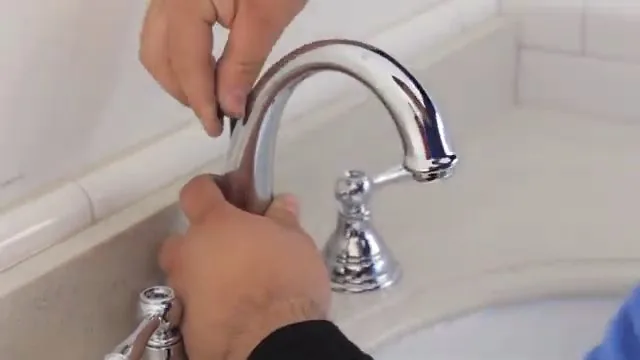
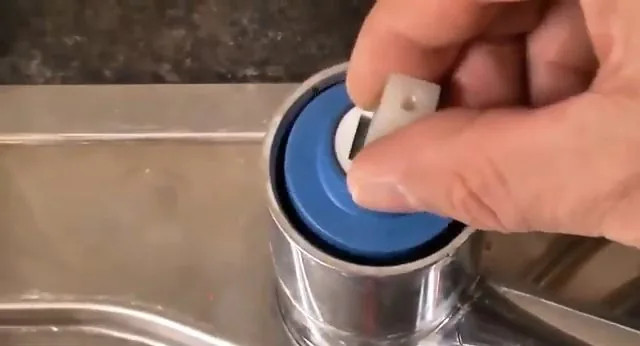
A dripping faucet wastes water and wears a ring into the sink. The cause is almost always inside the valve: a worn washer, a stiff O-ring, a failing cartridge or a corroded seat. Which part it is depends on the faucet design, so the repair starts with identifying the make and style.
| Faucet type | What fails | Typical sign |
|---|---|---|
| Compression (two handles) | Rubber washer or seat | Drip when closed, stiff handle |
| Cartridge (single handle) | Cartridge or O-rings | Drip, loose handle, weak flow |
| Ceramic disc | Seals or disc | Slow drip, leaking at the base |
| Ball type | Springs, seats or the ball | Leak around the handle |
Repair is usually worthwhile unless the faucet body is corroded or the finish is peeling. A plumber can replace a cartridge in minutes, but a faucet that has failed repeatedly or lost parts availability is better replaced, especially on a kitchen sink that gets daily use.
Toilet repair: running, weak flush and leaks
A running toilet is usually a worn flapper, a fill valve that does not shut off or a chain that is too short or too long. A weak flush points to clogged rim jets, a low tank level or a partial blockage in the trap. A puddle at the base means a failed wax ring or loose closet bolts.
- Listen for water refilling when nobody has flushed; that is a leaking flapper.
- Add food coloring to the tank and wait; color in the bowl confirms the leak.
- Check the tank level against the fill line.
- Rock the toilet gently; a loose bowl needs resetting and a new seal.
- Look at the supply line and shut-off for drips.
If a clog is the problem rather than a part, the drain cleaning page explains how stubborn blockages are cleared. Gurgling in a toilet while a nearby tub or sink also drains slowly can mean the problem sits further down the line.
Toilet running all night?
Call and describe the sound. A plumber can plan the right parts for the visit.
Toilet installation and replacement
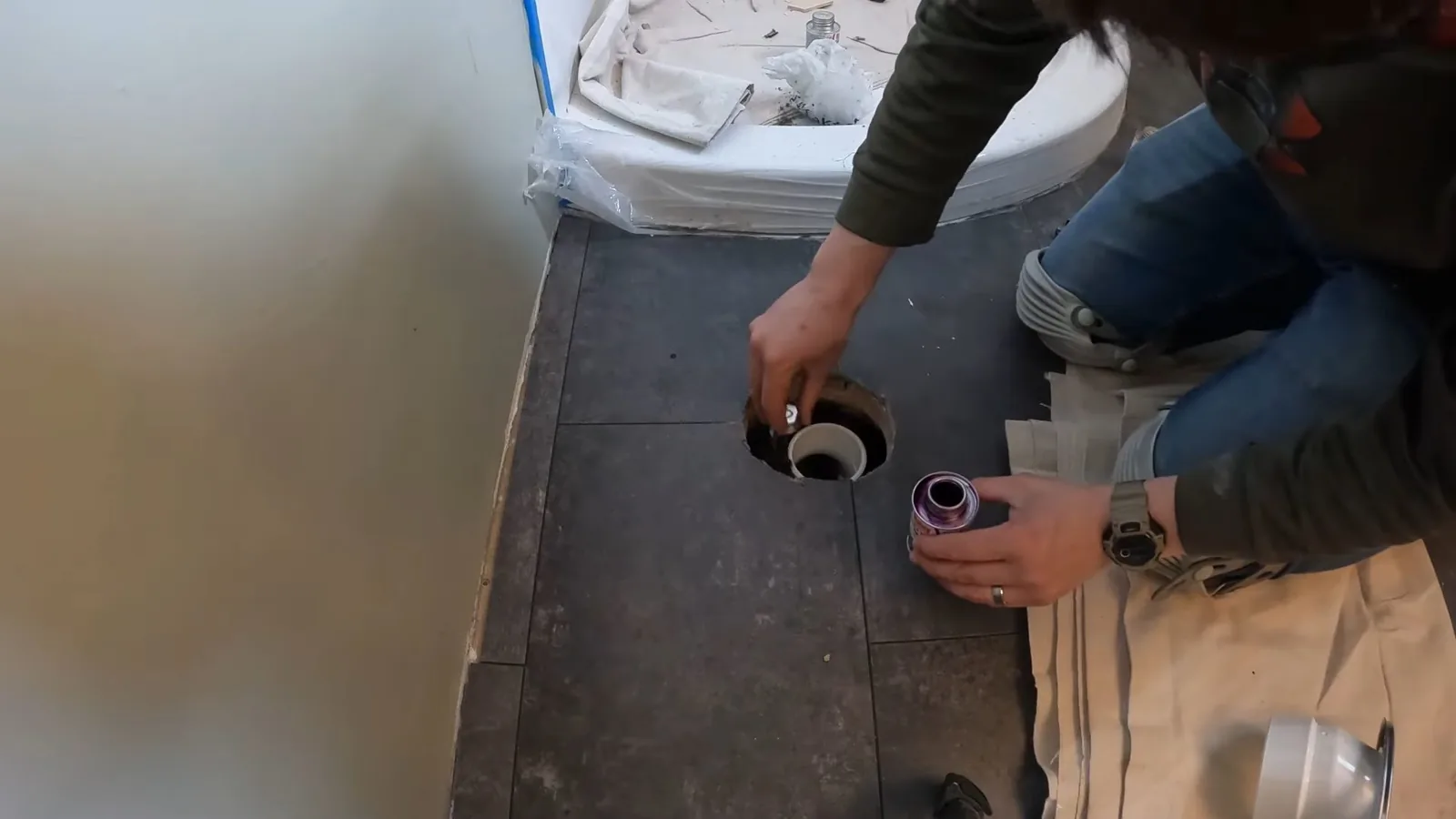
An old toilet that cracks, clogs or uses far more water than needed is a good candidate for replacement. The rough-in distance from wall to drain flange decides which models fit, so measure it before shopping. A plumber also checks the floor for rot around the flange, because a sound base matters for the new seal.
Replacement includes removing the old unit, replacing the wax ring or seal, setting the new bowl, connecting the supply line and testing for leaks. Dual-flush, elongated and comfort-height models are common choices, and a toilet relocation is a larger project that involves the drain.
Bathroom sinks, vanities and bathtubs
A slow bathroom sink may need only a cleaned stopper and trap, while a leak under the vanity is usually a worn supply connector, a loose compression nut or a failing P-trap. Pop-up drains and overflow gaskets are other frequent sources of a wet cabinet floor.
Tubs add their own repair list: a leaking drain or overflow, a failing diverter, a cracked caulk line or a faucet and spout combination that drips. A tub replacement is a larger job that needs access to the drain and supply behind the wall.
Kitchen sink problems
Kitchen sinks combine a faucet, a sprayer, supply lines, a strainer and a drain, often with a dishwasher and disposal attached. A leak under the sink can come from any of them, so the plumber traces the water from the top down. A slow sink is often grease buildup in the trap.
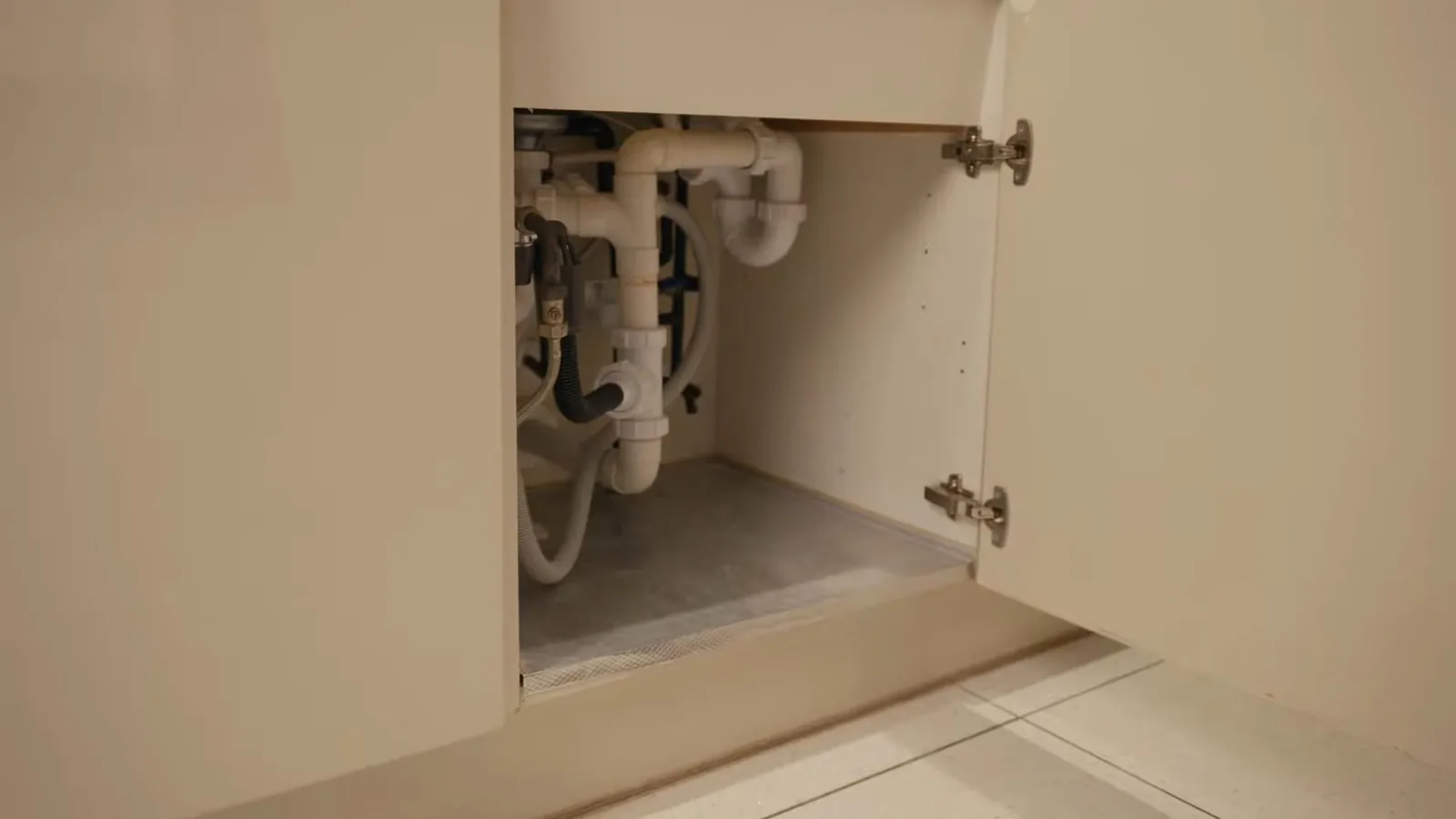
For disposal-related problems, the garbage disposal page covers jams, leaks and replacement. A new faucet or sink is a good time to replace old supply lines and shut-off valves, which are inexpensive parts that fail at the worst moment.
Shower valves, heads and leaks
- A shower that will not stay hot or cold may have a worn mixing cartridge.
- A dripping showerhead points to the valve cartridge or the seat, not the head.
- Low flow from the head is often mineral buildup in the nozzles.
- A leak behind the wall shows as stained ceilings below or a soft tile area.
Replacing a shower valve means opening the wall from the back or the front, so a plumber confirms access before quoting the job. A valve that leaks inside the wall should be dealt with quickly, because hidden water damages studs and drywall.
When a fixture problem is really a pipe problem
Sometimes the fixture is blameless. Low flow at one faucet can be a clogged aerator, but low flow at every faucet points to the supply. A toilet that refills slowly may have a partly closed valve. A tub that drains slowly after the trap is cleaned has a blockage further down. Spending money on a new fixture does not cure a pipe problem.
A plumber checks the simple things first and moves along the line only when needed, so you pay to fix the actual fault. If the symptoms involve several fixtures at once, say so when you call.
Shut-off valves, supply lines and small installs
The small parts matter. A shut-off valve that has not been turned in years often will not close or will leak when it is touched. Braided supply lines last years but not forever. Replacing them when a fixture is changed prevents a leak in a cabinet you rarely open.
Other fixtures fit the same visit: an outdoor faucet or hose bib, a bidet, an ice maker or washer hookup, or a wet bar. Where a kitchen or bath is being remodeled, the plumber also handles the rough-in so the fixtures are ready when the walls close.
Planning a fixture swap or remodel?
Call and describe the fixtures. Dispatch will schedule a plumber who can handle the whole list.
Fixture repair questions
Is it better to repair or replace a leaking faucet?
Repair is a sensible first step when the faucet is otherwise sound. Replace it if the body is corroded, parts are hard to find or it has failed repeatedly. A plumber can inspect it and tell you which is more sensible.
Why does my toilet keep running after I flush?
A worn flapper, a fill valve that does not shut off or a bent chain is the usual cause. Food coloring in the tank shows whether the flapper is leaking into the bowl.
Can a plumber replace a shower valve without tearing up tile?
Sometimes, if there is back access from an adjoining room or a closet. Otherwise the wall has to be opened. A plumber will say which applies before starting.
What should I do if a fixture is leaking now?
Turn off the shut-off valve beneath it. If there is no shut-off or it will not close, turn off the main water, dry the area and call dispatch.
A fixture that will not behave?
Describe the drip, the clog or the noise and dispatch will plan a visit.
- Licensed and insured plumbers
- Same-day service when available
- 24/7 emergency dispatch